Characters are the emotional core of every story, shaping how audiences connect with narratives across books, films, television, and games. Among the most fascinating debates in storytelling is the comparison between hero vs anti hero characters. Traditional heroes often represent courage, morality, and justice, while anti-heroes challenge conventional expectations with flawed personalities and morally complex decisions. Understanding these contrasting character types is essential for writers who want to create engaging and emotionally layered stories.
Modern audiences are increasingly drawn toward morally gray protagonists because they feel realistic and relatable. In contemporary fiction writing, anti-heroes have become just as popular as classic heroes due to their emotional depth and unpredictability. From noble warriors to rebellious outsiders, different character types influence the tone, message, and emotional impact of a story. Exploring the differences between hero vs anti hero characters helps writers develop stronger narratives and more compelling protagonists.
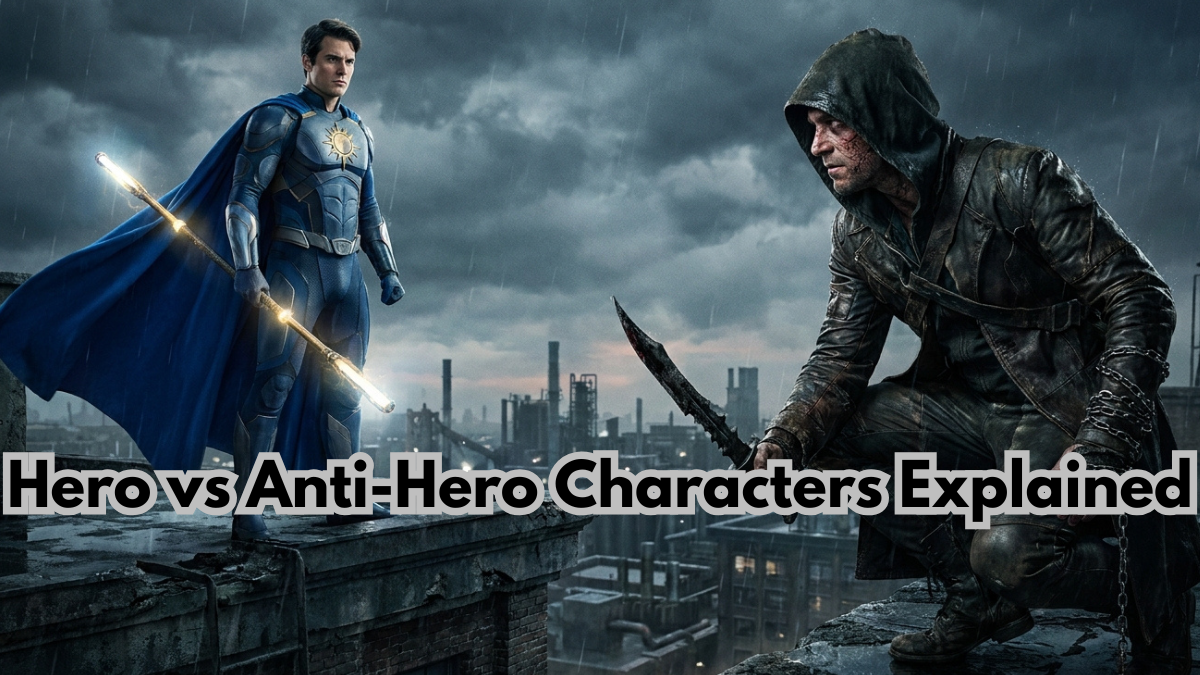
Understanding Hero Characters in Fiction
Traditional heroes are characters who usually fight for justice, protect others, and overcome challenges through bravery and moral integrity. These protagonists often represent hope, sacrifice, and personal growth. In classic literature and mythology, heroes were commonly portrayed as admirable role models who inspired audiences.
Common qualities of heroes include:
- Strong moral values
- Courage during conflict
- Leadership abilities
- Selflessness
- Commitment to justice
In many forms of fiction writing, heroes follow a transformational journey where they grow stronger after overcoming obstacles. These heroic arcs remain popular because audiences naturally connect with stories about perseverance and triumph.
Classic heroes appear in multiple genres including fantasy, adventure, science fiction, and historical drama. These character types usually aim to solve problems for the greater good while inspiring those around them. Understanding heroic storytelling is important when analyzing hero vs anti hero characters because it establishes the foundation for comparison.
What Makes an Anti-Hero Different?
An anti-hero differs from a traditional hero because they lack many conventional heroic qualities. Instead of being morally perfect, anti-heroes are often flawed, selfish, rebellious, or emotionally damaged. However, despite their imperfections, audiences still sympathize with them because they feel human and emotionally authentic.
In modern fiction writing, anti-heroes are widely used because they create complexity and unpredictability. These protagonists may break rules, make questionable decisions, or struggle with inner conflicts while still remaining central to the story.
Some common anti-hero traits include:
- Moral ambiguity
- Emotional trauma
- Self-interest
- Sarcastic personality
- Unconventional methods
The popularity of anti-heroes reflects changing audience preferences. Modern viewers and readers often enjoy realistic character types who face internal struggles rather than perfect heroes who always make the right choices. This evolution has significantly changed how writers approach hero vs anti hero characters in storytelling.
Key Differences Between Hero and Anti-Hero Characters
Although heroes and anti-heroes both drive narratives forward, their motivations and personalities differ greatly. Comparing these character types helps writers understand how different protagonists shape audience emotions and story themes.
| Feature | Hero | Anti-Hero |
|---|---|---|
| Morality | Strong moral code | Morally ambiguous |
| Motivation | Protect others | Personal survival or revenge |
| Personality | Noble and inspiring | Flawed and conflicted |
| Decision Making | Ethical choices | Questionable methods |
| Audience Appeal | Inspirational | Relatable and realistic |
Traditional heroes often symbolize ideals and optimism, while anti-heroes reflect emotional complexity and human imperfection. This distinction is one of the main reasons why discussions about hero vs anti hero characters remain important in storytelling studies.
In modern fiction writing, many protagonists combine qualities from both categories. A character may act heroically while still possessing anti-hero traits such as selfishness or emotional instability. These blended character types create richer and more layered storytelling experiences.
Why Anti-Heroes Have Become So Popular
The growing popularity of anti-heroes is closely connected to modern storytelling trends. Audiences today often prefer realistic characters who struggle with fear, trauma, guilt, or personal flaws. Unlike perfect heroes, anti-heroes mirror real human emotions and imperfections.
Several factors contribute to the rise of anti-heroes:
- Audiences enjoy emotional complexity
- Realistic flaws create relatability
- Morally gray characters feel unpredictable
- Internal conflict increases tension
- Dark storytelling themes have become popular
Many successful films, television series, and novels rely heavily on anti-hero protagonists. In modern fiction writing, anti-heroes often dominate crime dramas, psychological thrillers, and dystopian stories because they fit darker and more realistic narratives.
The debate around hero vs anti hero characters has also expanded due to changing cultural attitudes. Audiences no longer expect protagonists to be morally perfect. Instead, they appreciate nuanced character types who reflect the complexities of real life.
How Writers Can Create Strong Hero and Anti-Hero Characters
Creating compelling protagonists requires careful planning and emotional depth. Whether designing heroes or anti-heroes, writers must focus on motivation, conflict, and growth. Successful fiction writing depends heavily on believable character development.
Writers can strengthen protagonists by focusing on:
| Writing Technique | Purpose |
|---|---|
| Character backstory | Adds emotional depth |
| Internal conflict | Creates realism |
| Moral dilemmas | Builds tension |
| Character flaws | Increases relatability |
| Clear motivation | Drives the story |
When writing hero vs anti hero characters, balance is essential. Heroes should have weaknesses to avoid feeling unrealistic, while anti-heroes still need redeeming qualities to maintain audience sympathy.
Modern storytelling often benefits from combining heroic ideals with anti-hero complexity. These hybrid character types allow writers to create emotionally engaging protagonists who feel both inspiring and human.
Strong character writing also requires consistency. Even morally flawed anti-heroes should follow believable emotional logic. Readers and viewers connect most strongly with characters whose actions align with their personalities and experiences.
The Impact of Hero and Anti-Hero Characters on Storytelling
Both heroes and anti-heroes play major roles in shaping emotional engagement and narrative themes. Heroes often inspire audiences through courage and sacrifice, while anti-heroes challenge moral expectations and encourage deeper reflection.
Different genres use these character types in different ways:
- Fantasy often favors heroic protagonists
- Crime stories commonly feature anti-heroes
- Psychological thrillers rely on moral ambiguity
- Adventure stories emphasize heroism
- Drama blends heroic and anti-heroic traits
Understanding hero vs anti hero characters allows writers to choose the right protagonist style for their narrative goals. In fiction writing, character choice strongly influences pacing, emotional tone, and audience perception.
As storytelling continues evolving, both heroes and anti-heroes remain equally important. Some audiences seek hopeful inspiration, while others prefer realistic emotional struggles. The balance between these two storytelling approaches continues shaping modern entertainment.
Conclusion
The comparison between hero vs anti hero characters highlights how storytelling has evolved over time. Traditional heroes represent courage, morality, and hope, while anti-heroes bring emotional complexity, realism, and moral ambiguity to modern narratives. Both approaches offer unique advantages depending on the story’s goals and themes.
For writers involved in fiction writing, understanding different character types is essential for creating memorable protagonists and emotionally engaging stories. Whether using classic heroes, complex anti-heroes, or a blend of both, strong character development remains one of the most important elements of successful storytelling.
FAQs
What is the difference between hero and anti-hero characters?
The main difference between hero vs anti hero characters is morality. Heroes usually follow strong ethical values, while anti-heroes are morally flawed or conflicted.
Why are anti-heroes popular in modern fiction writing?
Anti-heroes are popular in modern fiction writing because they feel realistic, emotionally complex, and relatable to audiences.
What are common character types in storytelling?
Common character types include heroes, anti-heroes, villains, mentors, sidekicks, and tragic protagonists.
Can a character be both a hero and an anti-hero?
Yes, many modern protagonists combine heroic and anti-heroic traits, creating more layered and realistic characters.
Why are character types important in storytelling?
Different character types shape emotional engagement, influence story themes, and help audiences connect with narratives more effectively.
Click here to learn more.