For more than a decade, digital success was measured in followers, likes, and reach. Social platforms encouraged scale over substance, rewarding visibility rather than connection. That model is now losing influence. A clear transition is underway as trust based communities begin to replace follower-driven networks. This change reflects a broader social networks shift where meaningful interaction and credibility matter more than raw numbers. In an environment flooded with content, online trust has become the most valuable currency.
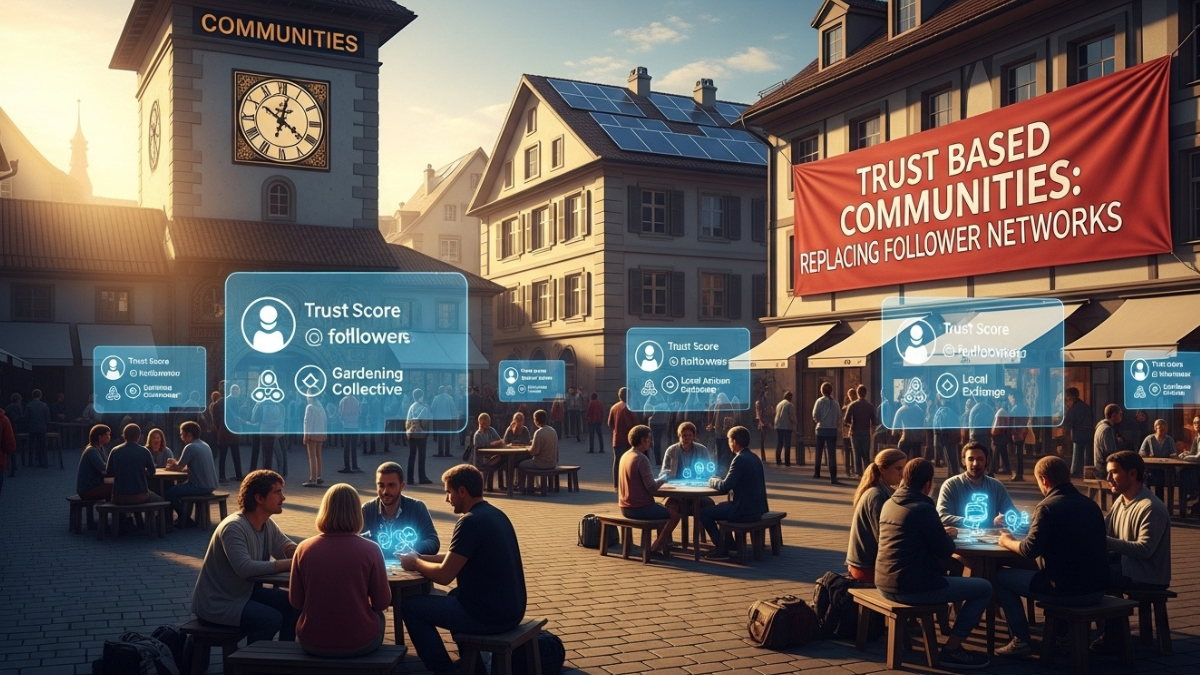
Why Follower Networks Are Losing Relevance
Follower-based systems were built for broadcasting, not belonging. As platforms grew, relationships became increasingly shallow. Many users discovered that having thousands of followers did not translate into support, engagement, or loyalty. This disconnect weakened online trust and exposed the limits of visibility-driven models.
The growing social networks shift is fueled by fatigue. Users are tired of noise, performative content, and algorithmic manipulation. In response, trust based communities offer a quieter, more intentional alternative. These spaces prioritize shared values and consistent interaction rather than viral reach, making them more resilient and meaningful.
How Trust Based Communities Are Built
Unlike follower networks, trust based communities grow through participation rather than promotion. Members are invited, referred, or join through shared purpose. Trust is established through repeated interaction, transparency, and accountability. This structure naturally filters out noise and reinforces online trust.
Key characteristics of trust based communities include:
- Clear shared values
- Smaller, engaged member groups
- Consistent moderation
- Direct communication
- Relationship-driven growth
These features support deeper connection and align with the ongoing social networks shift away from mass broadcasting toward intentional gathering.
Online Trust As The Foundation Of Digital Interaction
Online trust has become increasingly fragile in open networks. Bots, misinformation, and impersonation undermine confidence in what users see and who they interact with. Trust based communities counter this by creating environments where identity, behavior, and contribution matter.
When trust is prioritized, conversations become more honest and productive. Members feel safer sharing ideas, asking questions, and offering support. This reinforces why trust based communities outperform follower networks in long-term engagement. As the social networks shift continues, trust replaces visibility as the core driver of connection.
Comparing Follower Networks And Trust Based Communities
A comparison illustrates why communities are gaining ground.
| Aspect | Follower Networks | Trust Based Communities |
|---|---|---|
| Growth model | Algorithm-driven | Relationship-driven |
| Engagement quality | Low to variable | High |
| Online trust | Fragile | Strong |
| Noise level | High | Controlled |
| Long-term value | Unstable | Sustainable |
This comparison shows how trust based communities align better with human social needs. As the social networks shift accelerates, users increasingly seek spaces where trust is built rather than assumed.
Why Creators And Brands Are Embracing Trust Based Communities
Creators and organizations are recognizing that reach does not equal influence. Large audiences often produce low conversion and weak loyalty. Trust based communities offer higher engagement and deeper alignment, making them more effective for meaningful impact.
Brands using trust-based models benefit from authentic feedback and long-term relationships. Creators gain supporters rather than spectators. In both cases, online trust drives outcomes more reliably than algorithms. This realization is pushing the broader social networks shift across industries.
The Role Of Moderation And Governance
Strong governance is essential for trust based communities. Clear rules, active moderation, and transparent leadership maintain safety and respect. Without these structures, trust erodes quickly.
Follower networks often struggle with moderation at scale, leading to toxicity and disengagement. In contrast, community-driven spaces maintain online trust through accountability. This governance model is a key reason the social networks shift favors smaller, intentional groups.
Challenges Facing Trust Based Communities
Despite their advantages, trust based communities face challenges. Growth is slower, and scaling without losing intimacy requires careful design. Trust must be earned continuously, not assumed.
Another challenge is exclusivity. While smaller groups build trust more easily, they can unintentionally exclude diverse perspectives. Balancing openness with safety is critical to sustaining online trust. Addressing these challenges will shape how communities evolve within the broader social networks shift.
The Future Of Social Networks Shift Toward Trust
As digital fatigue grows, users will increasingly choose environments that respect attention and identity. The future points toward a network of interconnected communities rather than a few dominant platforms. In this landscape, trust based communities become the primary units of interaction.
This social networks shift does not eliminate large platforms but reduces their centrality. Instead of one-to-many broadcasting, digital interaction becomes many-to-many within trusted circles. Online trust becomes the differentiator that defines where people invest their time and energy.
Conclusion
The rise of trust based communities signals a meaningful transformation in how people connect online. As the social networks shift away from follower counts and algorithms, online trust emerges as the foundation of sustainable digital relationships. Communities built on shared values, accountability, and respect offer depth that follower networks cannot replicate. In an era of noise and skepticism, trust is no longer optional, it is the future of online connection.
FAQs
What are trust based communities?
Trust based communities are digital spaces built on shared values, accountability, and meaningful interaction rather than follower counts.
Why is there a social networks shift away from followers?
Follower networks often lack genuine engagement and online trust, leading users to seek more meaningful alternatives.
How do trust based communities build online trust?
They build trust through consistent interaction, moderation, transparency, and shared purpose.
Are trust based communities better than social media platforms?
They are better for deep engagement and trust, though social platforms may still serve discovery purposes.
Can trust based communities scale successfully?
Yes, but scaling requires careful design to preserve trust, culture, and quality interaction.
Click here to learn more.