Smart packaging is rapidly transforming the way food products are stored, transported, and consumed across global markets. As consumers become more aware of health risks and demand greater transparency, traditional packaging methods are no longer sufficient. The integration of technology into packaging has made food safety more measurable and visible, while tools like QR codes and freshness tracking are reshaping how people interact with products. This shift toward smart packaging is not just a technological upgrade but a trust-building mechanism that connects brands directly with consumers in real time.
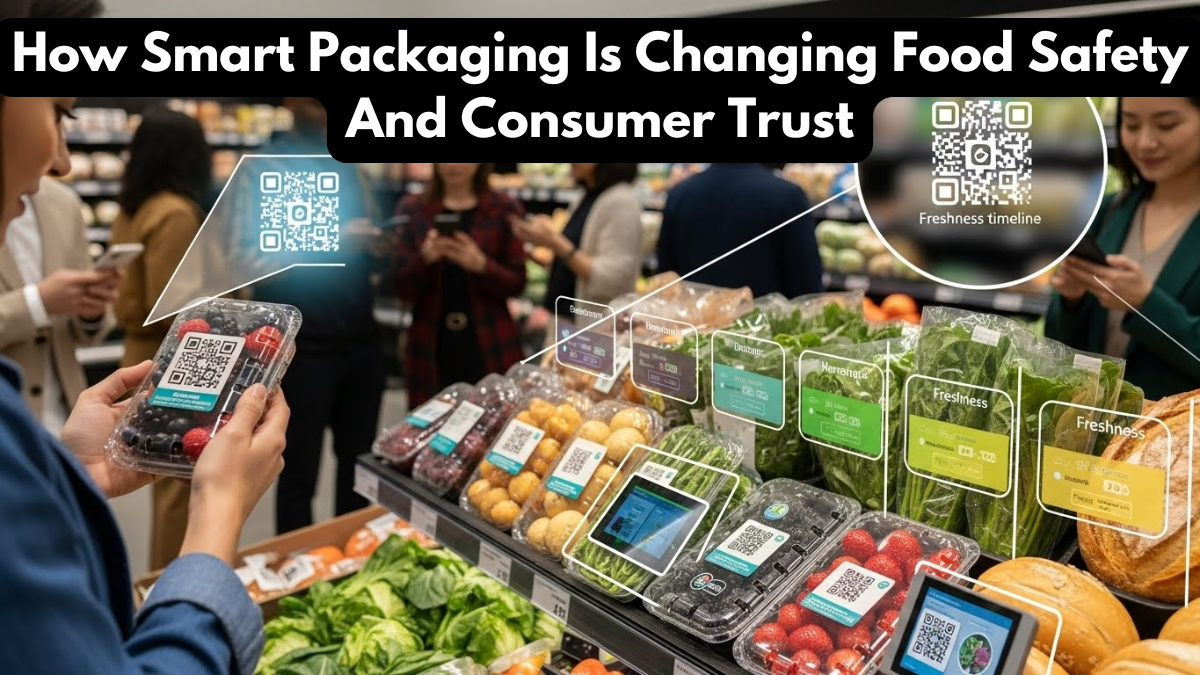
What Smart Packaging Really Means For Modern Consumers
At its core, smart packaging refers to packaging systems embedded with sensors, indicators, or digital features that provide data about a product’s condition. Unlike conventional packaging, these systems actively monitor changes in temperature, humidity, or contamination risks. This innovation has significantly improved food safety by enabling early detection of spoilage or improper handling. For consumers, the ability to scan QR codes on packaging offers instant access to sourcing details, nutritional information, and safety certifications, reinforcing confidence in purchasing decisions.
By making product data transparent, smart packaging bridges the information gap between manufacturers and buyers. This transparency supports better decision-making and strengthens brand credibility, especially in an era where misinformation and product recalls can quickly erode consumer trust.
Enhancing Food Safety Through Real-Time Monitoring
One of the most critical benefits of smart packaging is its impact on food safety. Technologies such as time-temperature indicators and gas sensors allow packaging to detect spoilage before it becomes visible. This proactive approach reduces the risk of foodborne illnesses and minimizes waste throughout the supply chain. Freshness tracking tools are particularly valuable for perishable goods, ensuring products remain safe from production to consumption.
Retailers and distributors also benefit from these innovations. By monitoring freshness and quality in real time, businesses can optimize inventory management and reduce losses. As food safety regulations become stricter, smart packaging provides a scalable solution that meets compliance requirements while protecting consumer health.
The Role Of QR Codes In Building Consumer Trust
The widespread adoption of QR codes has become a defining feature of smart packaging. These codes allow consumers to instantly access detailed product information using their smartphones. From origin tracking to allergen disclosures, QR codes empower buyers with knowledge that was previously inaccessible. This level of openness directly influences trust, as consumers feel more informed and in control.
Beyond transparency, QR codes also enable brands to engage with customers through interactive content, surveys, and updates. When combined with food safety data and freshness tracking, these digital touchpoints create a seamless experience that reinforces brand reliability and accountability.
Freshness Tracking And Supply Chain Efficiency
Freshness tracking is revolutionizing supply chain operations by providing accurate, real-time data on product quality. Sensors embedded in smart packaging monitor environmental conditions and alert stakeholders if thresholds are exceeded. This capability reduces guesswork and allows faster corrective action, preserving food safety standards throughout transportation and storage.
For consumers, freshness tracking translates into safer, higher-quality products on store shelves. For businesses, it means improved logistics, reduced waste, and stronger compliance with safety regulations. The combined use of smart packaging, freshness tracking, and QR codes creates a data-driven ecosystem that benefits every stage of the food lifecycle.
Key Benefits Of Smart Packaging For Food Brands And Consumers
- Improved food safety through continuous monitoring
- Increased transparency using QR codes for product information
- Reduced food waste with accurate freshness tracking
- Enhanced consumer trust and brand loyalty
- Better regulatory compliance and supply chain efficiency
Table: Traditional Packaging vs Smart Packaging
| Feature | Traditional Packaging | Smart Packaging |
|---|---|---|
| Food Safety Monitoring | Limited or none | Real-time tracking |
| Consumer Interaction | Minimal | Interactive via QR codes |
| Freshness Tracking | Visual inspection only | Sensor-based alerts |
| Transparency | Low | High data accessibility |
| Waste Reduction | Reactive | Proactive |
Challenges And Adoption Considerations
Despite its advantages, adopting smart packaging comes with challenges. Implementation costs, technological integration, and data management concerns can slow adoption, especially for small-scale producers. However, as technology becomes more affordable and consumer demand for food safety grows, these barriers are gradually diminishing. Regulatory bodies are also recognizing the value of smart packaging in ensuring compliance and protecting public health.
Education plays a crucial role in maximizing impact. When consumers understand how to use QR codes and interpret freshness tracking indicators, trust increases further. As awareness grows, smart packaging is expected to become a standard rather than a premium feature.
Conclusion
The rise of smart packaging marks a significant shift in how food products are protected, monitored, and trusted. By strengthening food safety, enabling freshness tracking, and enhancing transparency through QR codes, this innovation addresses both consumer concerns and industry challenges. As technology continues to evolve, smart packaging will play an increasingly central role in building safer food systems and deeper consumer trust worldwide.
FAQs
How does smart packaging improve food safety?
smart packaging uses sensors and indicators to monitor product conditions, reducing risks and improving food safety.
Are QR codes safe to use on food packaging?
Yes, QR codes provide secure access to verified product information without compromising consumer safety.
What is freshness tracking in smart packaging?
freshness tracking monitors environmental changes to ensure products remain safe and high quality.
Does smart packaging increase food costs?
While initial costs may be higher, smart packaging reduces waste and recalls, often balancing long-term expenses.
Will smart packaging become mandatory in the future?
As food safety regulations evolve, smart packaging adoption is likely to increase across industries.
Click here to learn more.