In recent years, mental health awareness has become a major global focus, especially among young adults who are navigating rapid changes in their personal, social, and academic lives. As society becomes more open about emotional struggles, young people are finding it easier to discuss their mental health challenges and seek help when needed. This increased openness is deeply connected to the growing study of youth psychology, which explores how emotions, behavior, and environmental pressures influence young minds. Together, these areas are reshaping the way mental health is understood and addressed today.
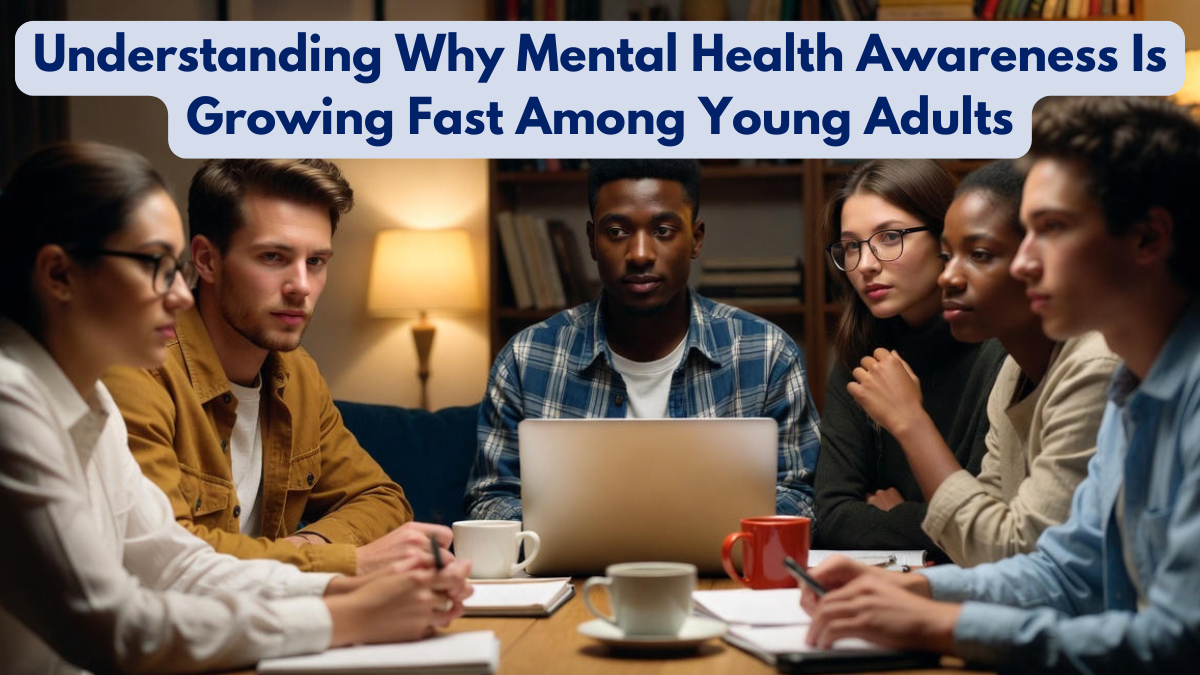
Why Mental Health Awareness Is Rising Among Young People
One of the main reasons for the rising importance of mental health awareness is the recognition that younger generations face unique pressures. Social media expectations, academic competition, and uncertainty about the future all contribute to emotional stress. Researchers in youth psychology have studied how these factors affect mental well-being and have found that young people are increasingly vulnerable to anxiety, depression, and self-esteem issues. As a result, more young adults are speaking openly about their struggles and encouraging others to seek support.
Another significant factor is the reduced stigma surrounding mental health. Young people today value emotional honesty and see vulnerability as a strength rather than a weakness. Schools, families, and workplaces are beginning to support this shift by promoting mental health awareness programs, counseling sessions, and peer support systems. This cultural change reflects an evolving understanding of youth psychology, where emotional well-being is recognized as essential to personal development.
How Technology and Social Media Influence Youth Psychology
Technology plays a major role in shaping youth psychology, both positively and negatively. While digital platforms help spread mental health awareness, they can also expose young adults to unrealistic standards, cyberbullying, and constant comparison. These influences can significantly affect emotional well-being, leading to anxiety or feelings of inadequacy. However, technology also offers valuable resources, such as online therapies, self-help communities, and mental health apps that provide guidance and support.
Here is a table showing how technology impacts youth mental health:
| Digital Influence | Positive Impact | Negative Impact |
|---|---|---|
| Social Media | Raises awareness and builds supportive communities | Encourages comparison and increases stress |
| Online Counseling | Accessible and affordable help | May lack personal connection |
| Educational Content | Increases understanding of mental health | Too much information can be overwhelming |
These mixed effects show why understanding youth psychology is essential for developing balanced strategies that promote healthy digital habits. When used wisely, technology can be a powerful tool in strengthening mental health awareness among young adults.
The Role of Schools, Families, and Communities
Schools, families, and communities play a crucial role in promoting mental health awareness and supporting young adults during their formative years. Many schools now include emotional education in their curriculum, helping students learn about stress, resilience, and coping strategies. Parents are also becoming more aware of how early experiences influence youth psychology, allowing them to provide healthier emotional environments at home.
Supportive communities contribute by creating safe spaces where young people feel comfortable expressing their feelings. Workshops, awareness campaigns, and youth support groups give them opportunities to connect with others who share similar struggles. These combined efforts strengthen mental health understanding and reduce the stigma associated with seeking help.
Why Understanding Youth Psychology Matters for the Future
As mental health challenges continue to rise, understanding youth psychology becomes essential for building a healthier future generation. The early years of adulthood shape a person’s identity, relationships, and career path. When young people receive proper emotional support, they develop better coping mechanisms and higher resilience, reducing long-term mental health risks. This is why societies worldwide are prioritizing mental health awareness as a key part of education and public health initiatives.
Additionally, workplaces are beginning to implement mental health programs that cater specifically to young professionals. This shift acknowledges that emotional well-being directly influences productivity, creativity, and long-term success. By integrating youth psychology insights into educational, social, and work environments, communities can create more supportive systems for young people.
Conclusion
The rapid rise of mental health awareness among young adults reflects a powerful cultural shift toward emotional openness, understanding, and support. With the help of ongoing research in youth psychology, educators, families, and communities are better equipped to guide young people through emotional challenges. As awareness continues to grow, the focus on building healthier environments will strengthen future generations. By encouraging education, empathy, and proactive support, society can ensure that young adults develop the emotional resilience needed for a balanced and fulfilling life.
FAQs
Why is mental health awareness important for young adults?
It helps them recognize emotional challenges early and encourages them to seek support before issues worsen.
How does youth psychology help in understanding young people’s behavior?
It studies emotional development, behavioral patterns, and environmental factors that influence young minds.
Does increased mental health awareness reduce stigma?
Yes, talking openly about emotions helps normalize mental health conversations and encourages acceptance.
How can families support youth psychology development?
Families can provide emotional support, healthy communication, and safe environments for expression.
What role do schools play in promoting mental health awareness?
Schools offer counseling, workshops, and emotional education programs that help students understand and manage mental health challenges.
Click here to learn more.