For years, technology promised global connection, instant communication, and borderless relationships. While digital life delivered convenience and reach, it also created isolation, superficial interaction, and declining trust. In response, local communities are experiencing a powerful resurgence as people seek deeper, more meaningful relationships closer to home. This renewed focus on neighborhood ties, shared spaces, and face-to-face interaction reflects a growing desire for authentic social connection. As the limitations of purely digital interaction become clearer, local communities are reclaiming their role as essential anchors of human connection in the modern era.
Why Local Communities Declined During The Rise Of Digital Life
The rapid expansion of digital life reshaped how people work, socialize, and entertain themselves. Online platforms replaced physical gathering spaces, and convenience often outweighed proximity. Social networks made it possible to interact without leaving home, reducing reliance on local communities. Over time, this shift weakened neighborhood bonds and reduced spontaneous interaction. While digital tools increased reach, they often lacked depth, leaving many individuals socially connected but emotionally disconnected. This imbalance set the stage for a renewed appreciation of real-world social connection.
What Is Driving The Comeback Of Local Communities
Several factors are fueling the revival of local communities. Rising loneliness, mental health concerns, and digital fatigue have prompted people to seek tangible relationships. The pandemic further highlighted the importance of nearby support systems. In an era dominated by digital life, people are rediscovering the value of knowing their neighbors and participating in shared experiences. Community markets, local events, and neighborhood initiatives are becoming central to restoring social connection and trust at a grassroots level.
How Local Communities Strengthen Social Connection
Unlike online interactions, local communities offer consistent, embodied experiences that build trust over time. Shared routines, mutual support, and physical presence create stronger emotional bonds. This form of social connection satisfies fundamental human needs that digital life cannot fully replicate. Face-to-face interaction allows for empathy, accountability, and shared responsibility, reinforcing a sense of belonging. As people invest more time locally, communities become safer, more resilient, and more supportive.
Comparison Between Digital Life And Local Community Engagement
The difference between digital interaction and local engagement highlights why this shift is gaining momentum. The table below compares key aspects of digital life with participation in local communities and their impact on social connection.
| Aspect | Digital Life | Local Communities |
|---|---|---|
| Interaction Depth | Often superficial | Deep and personal |
| Trust Building | Low and slow | High through familiarity |
| Sense Of Belonging | Fragmented | Strong and shared |
| Support Systems | Limited | Immediate and practical |
| Social Connection | Broad but weak | Smaller but stronger |
This comparison explains why many people are intentionally rebalancing digital and local engagement.
The Role Of Local Communities In Mental And Emotional Wellbeing
Strong local communities play a critical role in emotional resilience and mental health. Regular social interaction reduces loneliness and provides a sense of purpose. In contrast, excessive reliance on digital life can amplify comparison, anxiety, and detachment. Real-world social connection offers emotional feedback that digital platforms struggle to replicate. Community involvement also encourages physical activity, shared responsibility, and mutual care, all of which support holistic well-being.
Technology Supporting Rather Than Replacing Local Communities
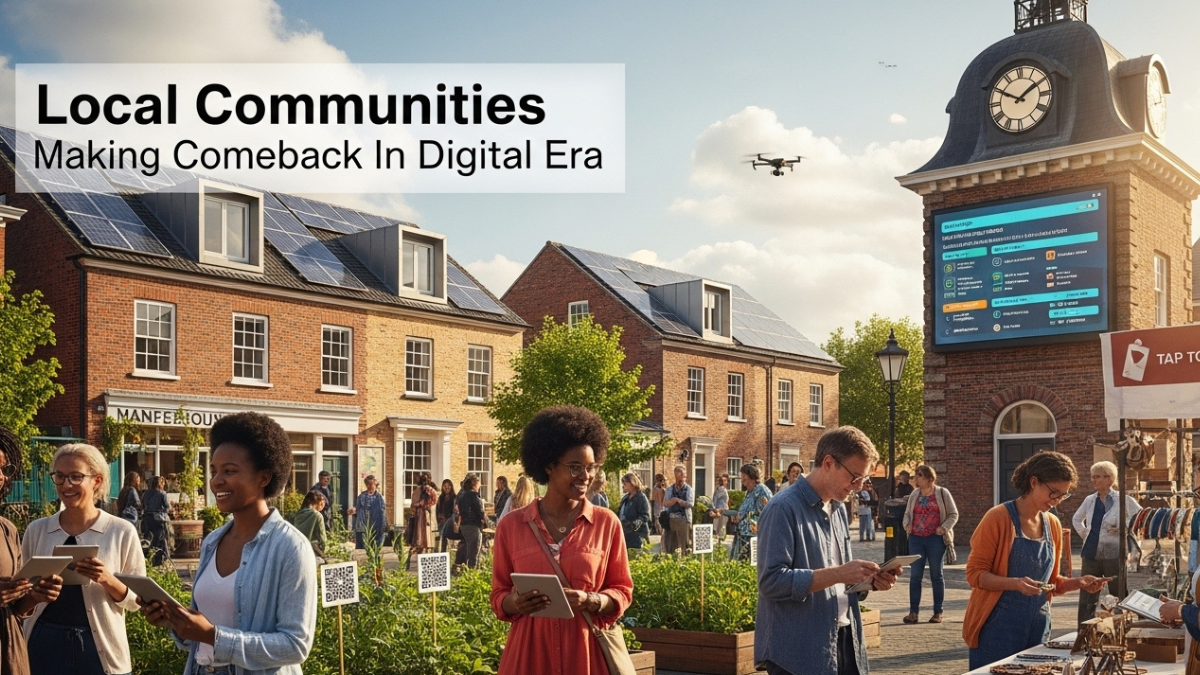
Interestingly, technology is now being used to strengthen local communities rather than replace them. Community apps, neighborhood groups, and local forums help coordinate events and communication without eliminating in-person interaction. This balanced approach integrates digital life as a support tool rather than a substitute. When used intentionally, technology enhances social connection by making local engagement more accessible and organized.
Economic And Cultural Benefits Of Strong Local Communities
Beyond emotional health, local communities offer economic and cultural advantages. Supporting local businesses keeps resources within the community and builds shared prosperity. Cultural traditions, local knowledge, and collective identity are preserved through active participation. As people reassess the impact of globalized digital life, local engagement provides stability and continuity. These benefits reinforce social connection and create environments where individuals feel invested and valued.
Challenges In Rebuilding Local Communities
Despite growing interest, rebuilding local communities is not without challenges. Busy schedules, remote work, and lingering habits from digital-first lifestyles can limit participation. Some individuals feel disconnected or unsure how to engage locally. However, small, consistent actions such as attending events or supporting neighborhood initiatives can gradually rebuild trust. Balancing digital life with intentional local involvement is key to restoring meaningful social connection.
Conclusion
The renewed interest in local communities signals a corrective shift in how people seek connection and meaning. While digital life remains an important part of modern existence, it cannot replace the depth and reliability of face-to-face relationships. By prioritizing local engagement, individuals strengthen social connection, resilience, and well-being. In a rapidly changing world, local communities offer stability, belonging, and a reminder that meaningful connection often begins close to home.
FAQs
What are local communities in simple terms?
Local communities are groups of people connected by shared geography, relationships, and everyday interactions.
Why are local communities becoming popular again?
People are seeking stronger social connection after experiencing isolation and digital fatigue.
Does digital life weaken local communities?
Excessive focus on digital life can reduce local interaction, but balanced use can support community engagement.
How can someone get involved in their local community?
Attending local events, supporting nearby businesses, and participating in neighborhood groups are good starting points.
Can technology help build local communities?
Yes, when used intentionally, digital tools can organize and strengthen local communities without replacing in-person connection.
Click here to learn more.