The rise of digital platforms has drastically transformed public communication, political campaigning, and voter behavior across the country. In 2026, the role of social media politics india is more powerful than ever, shaping conversations, influencing decisions, and redefining how citizens engage with leaders. With millions of Indians consuming news digitally, the influence of media has expanded beyond traditional newspapers and television. Today, social networks act as virtual political arenas where information spreads instantly and opinions form rapidly.
From election campaigns to daily political discussions, social media has become the primary source of information for urban and rural users alike. This shift has reshaped how voters evaluate candidates, consume updates, and participate in national debates.
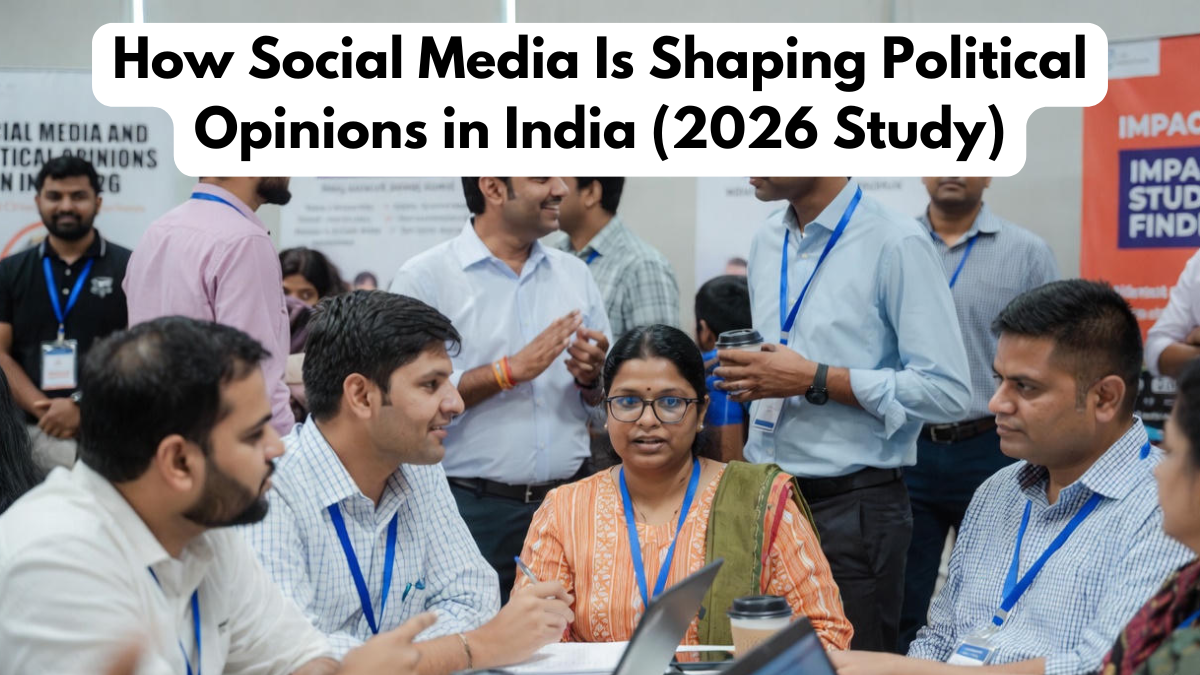
How Social Media Is Transforming Political Engagement
The increasing impact of social media politics india is visible in how citizens interact with political content. Politicians now rely heavily on platforms like Twitter, YouTube, Facebook, and Instagram to reach the masses. These channels allow them to share messages directly, bypassing traditional media filters. The influence of media has expanded to include digital influencers, bloggers, and independent content creators who play a significant role in political discourse.
Social platforms encourage two-way communication, enabling voters to respond, question, and engage with leaders. This real-time interaction strengthens public involvement and encourages more people to participate in national issues. For younger users, social media has become their primary source of political education.
Changing Voting Behavior Through Digital Influence
Digital exposure significantly affects how voters form their opinions. Research shows that constant exposure to political content shapes preferences and perceptions more deeply than offline discussions. The spread of memes, videos, fact-checks, and political ads demonstrates how social media politics india influences youth and first-time voters.
Political information travels quickly on social networks, often reaching users before mainstream news channels do. As a result, the influence of media now includes algorithm-driven feeds that amplify content based on user interest, sometimes shaping opinions subconsciously. While this increases awareness, it also raises concerns about misinformation, echo chambers, and biased content.
Tools Used in Social Media Political Campaigning
Modern political campaigns rely on a wide range of digital strategies to reach India’s expanding online population. The growth of social media politics india has encouraged political parties to use data analytics, sentiment monitoring, and personalized messaging.
Here is a detailed table showing the most common digital tools used in 2026:
| Digital Tool | Purpose | Impact on Voters | Role in Campaigning |
|---|---|---|---|
| Targeted Ads | Personalized political messaging | Higher voter engagement | Reaches specific demographic groups |
| Hashtag Campaigns | Trend creation & visibility | Drives conversations | Improves political branding |
| Influencer Collaborations | Promotion through content creators | Youth-oriented outreach | Expands campaign reach |
| Live Streams | Direct communication with public | Builds trust | Allows real-time speeches & Q&A |
| AI Sentiment Analysis | Tracks voter mood | Helps predict opinions | Guides campaign strategies |
These tools collectively highlight how the influence of media has reshaped campaign planning and voter outreach.
Positive and Negative Effects of Social Media on Politics
The growth of social media politics india brings both benefits and challenges. On the positive side, social networks democratize information and make politics more accessible. Citizens can fact-check claims, watch live debates, and discuss policies openly. This transparency leads to a more informed voter base.
However, the influence of media also carries risks. Misinformation, fake news, and manipulated content spread easily, confusing voters and creating polarization. Echo chambers reinforce one-sided views, reducing open-minded dialogue. These challenges require greater digital literacy and stronger content moderation to ensure political information remains accurate and trustworthy.
Why Social Media Will Shape India’s Political Future
With internet usage growing rapidly, digital platforms will continue to influence political engagement for years to come. The impact of social media politics india will expand further as rural regions gain affordable connectivity. Political parties will increasingly depend on technology, data analytics, and digital outreach to engage with voters. Meanwhile, citizens will rely on online sources for quick updates, policy explanations, and election news.
The influence of media will continue to evolve as new platforms emerge and user behavior changes. As long as social networks remain central to public communication, they will play a defining role in shaping India’s political landscape.
Conclusion
In 2026, social media politics india is rewriting the rules of public engagement and electoral influence. With digital platforms dominating information flow, voters are forming opinions based on personalized feeds, online discussions, and multimedia content. While this offers transparency and accessibility, it also brings responsibilities—citizens must verify information and remain aware of bias. As the influence of media continues to grow, social networks will remain a powerful force in shaping India’s political future, guiding how people think, react, and vote.
FAQs
How is social media politics india influencing voter decisions?
It shapes opinions through targeted content, real-time updates, and viral political discussions.
What role does the influence of media play in elections?
It amplifies political messaging, increases engagement, and reaches millions instantly.
Are social media platforms replacing traditional news sources?
For many young voters, yes—digital platforms are now primary sources of political information.
What risks come with social media-driven politics?
Misinformation, polarization, and biased content are major risks linked to the influence of media.
Will social media continue to impact future elections?
Yes, as connectivity grows, social media politics india will play an even larger role in political communication.
Click here to learn more.