The modern world thrives on constant connectivity, but this always-on culture is quietly taking a toll on how people think, work, and feel. From endless notifications to back-to-back virtual meetings, prolonged digital exposure has become the norm rather than the exception. As a result, digital fatigue is emerging as a widespread challenge affecting employees, students, and professionals alike. What once promised efficiency and flexibility is now creating cognitive strain, reduced attention spans, and emotional exhaustion. Understanding how digital fatigue develops and why it affects productivity and mental clarity is essential in an era dominated by screens.
Understanding Digital Fatigue in Everyday Life
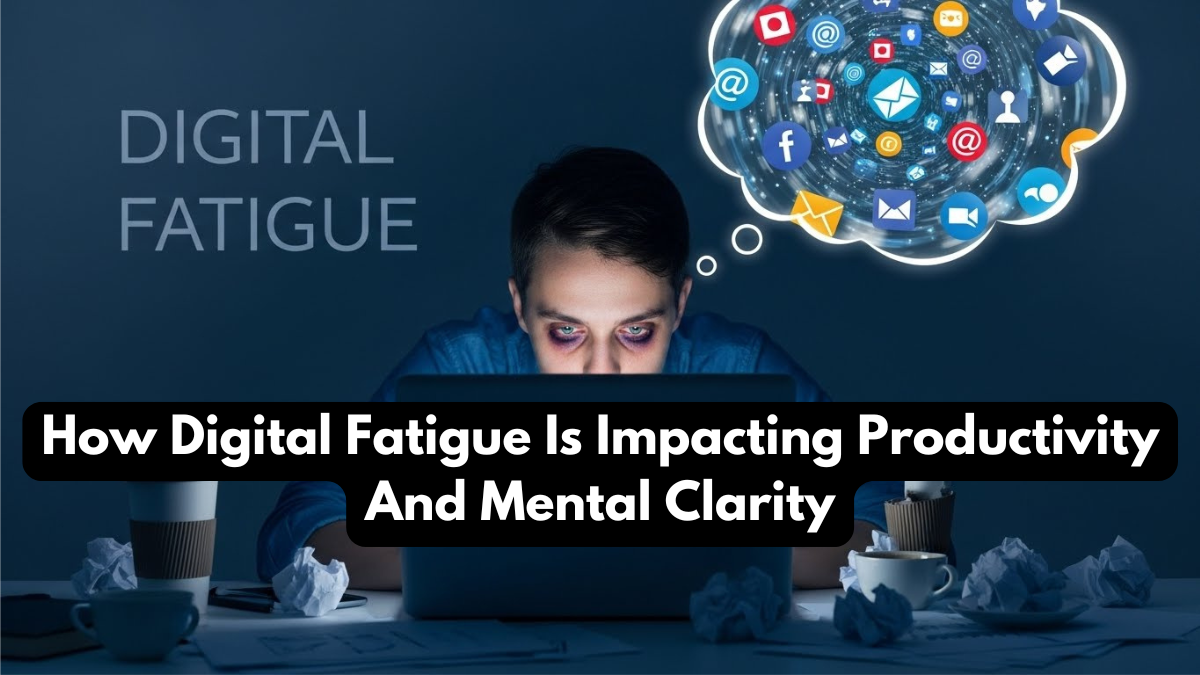
At its core, digital fatigue refers to the mental exhaustion caused by prolonged and excessive use of digital devices. Unlike physical tiredness, this form of fatigue impacts how the brain processes information, manages emotions, and maintains concentration. Continuous exposure to emails, social media, and video calls leads to screen overload, where the brain struggles to filter relevant information. Over time, this constant stimulation disrupts natural attention cycles and reduces the ability to sustain focus. As digital tools become deeply embedded in daily routines, digital fatigue is no longer limited to work environments but extends into personal and social life as well.
The Link Between Screen Overload and Burnout
One of the most damaging consequences of digital fatigue is its strong connection to burnout. When individuals are expected to remain responsive across multiple platforms, the boundaries between work and rest begin to disappear. Persistent screen overload forces the brain to remain alert even during downtime, preventing proper mental recovery. This continuous cognitive demand accelerates burnout, characterized by emotional exhaustion, detachment, and declining performance. As digital fatigue intensifies, individuals often find it harder to disengage, leading to chronic stress and diminished mental clarity.
How Digital Fatigue Impacts Productivity
Productivity depends heavily on the ability to concentrate, prioritize tasks, and think creatively. However, digital fatigue undermines these abilities by fragmenting attention and increasing mental errors. Frequent interruptions from notifications disrupt deep work, making it harder to maintain focus for extended periods. Employees experiencing digital fatigue often report longer task completion times and reduced output quality. In knowledge-based roles, where cognitive performance is critical, unchecked screen overload can significantly weaken problem-solving and decision-making capabilities.
Effects on Mental Clarity and Cognitive Performance
Mental clarity relies on a well-rested and focused mind, but digital fatigue clouds cognitive processes. Prolonged screen exposure strains the visual system and overloads working memory, leading to confusion and forgetfulness. As burnout develops, individuals may struggle to retain information or switch between tasks effectively. This mental fog reduces overall efficiency and increases frustration. Over time, persistent digital fatigue can even impact emotional regulation, making it harder to stay motivated and engaged both professionally and personally.
Common Signs of Digital Fatigue
Recognizing digital fatigue early can help prevent long-term consequences. Some common indicators include:
- Difficulty maintaining focus on tasks
- Increased irritability and mental exhaustion
- Headaches and eye strain from screen overload
- Declining motivation and engagement
- Early signs of burnout despite manageable workloads
These symptoms highlight how deeply digital fatigue can affect overall wellbeing if left unaddressed.
Digital Fatigue and Productivity Comparison
| Factor | Low Digital Fatigue | High Digital Fatigue |
|---|---|---|
| Attention span | Sustained focus | Frequent distractions |
| Task efficiency | High output quality | Reduced productivity |
| Mental clarity | Clear thinking | Cognitive fog |
| Stress levels | Manageable | Elevated burnout risk |
| Engagement | Consistent motivation | Emotional detachment |
This comparison shows how digital fatigue directly influences both performance and mental health outcomes.
Strategies to Reduce Digital Fatigue
Managing digital fatigue requires intentional changes rather than complete disconnection. Structured screen breaks, notification control, and clear work boundaries can significantly reduce screen overload. Encouraging deep work sessions helps restore focus and improves productivity. Organizations that acknowledge burnout risks and promote digital wellbeing strategies often see higher employee engagement and sustained performance. Addressing digital fatigue proactively benefits both individuals and workplaces in the long run.
Conclusion
As digital tools continue to shape how work and communication function, the impact of digital fatigue can no longer be ignored. Persistent screen overload, declining focus, and rising burnout are clear signals that current digital habits need rebalancing. By understanding how digital fatigue affects productivity and mental clarity, individuals and organizations can take meaningful steps toward healthier digital engagement. Prioritizing mental recovery alongside connectivity is essential for maintaining long-term performance and wellbeing in a screen-driven world.
FAQs
What is digital fatigue and why is it increasing?
Digital fatigue is mental exhaustion caused by prolonged digital device use. It is increasing due to constant connectivity, remote work, and rising screen overload.
How does digital fatigue affect focus?
Digital fatigue disrupts attention cycles, making it harder to maintain focus and complete tasks efficiently without distractions.
Can digital fatigue lead to burnout?
Yes, prolonged digital fatigue contributes to burnout by eliminating mental rest and increasing emotional exhaustion over time.
Is digital fatigue only related to work?
No, digital fatigue affects both professional and personal life due to continuous exposure to screens across all daily activities.
How can individuals reduce digital fatigue?
Reducing screen overload, setting boundaries, taking regular breaks, and prioritizing deep work can help manage digital fatigue and improve mental clarity.
Click here to learn more.