The rising popularity of digital detox devices reflects a growing awareness of the need to disconnect from screens and live a more balanced lifestyle. With smartphones, social media, and online entertainment taking up significant hours of the day, many people—especially younger generations—are searching for ways to improve their mental health and productivity. This shift is driven by increasing research that highlights the negative effects of excessive screen exposure on sleep, concentration, and emotional well-being. To help users reduce screen time, technology companies have developed innovative devices designed to promote relaxation, mindfulness, and healthier digital habits. In 2025, the trend toward mindful technology use is stronger than ever, and digital detox tools are becoming essential wellness companions.
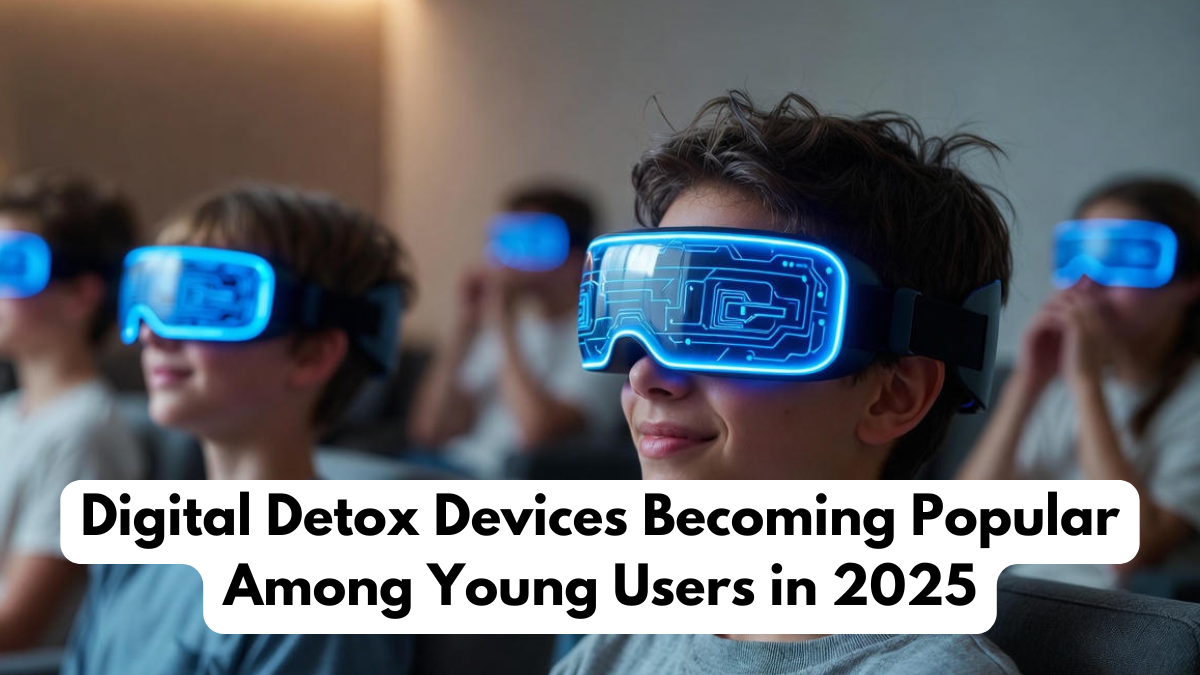
Why Digital Detox Devices Are Growing in Demand
The demand for digital detox devices has increased significantly due to the modern lifestyle’s heavy dependence on technology. Smartphones and digital platforms have become deeply integrated into daily work, education, and entertainment. While technology offers countless benefits, it also contributes to digital fatigue, anxiety, and reduced productivity. This is why more people are actively trying to reduce screen time and seek devices that help them regain control over their routines.
Young users, in particular, are embracing digital detox tools as they face constant pressure to stay connected through notifications, messaging apps, video platforms, and social media. These distractions often interfere with studies, work, and personal time. Digital detox devices offer structured ways to disconnect without feeling deprived. By providing calming alternatives like meditation, offline activities, breathing exercises, and nature sounds, these gadgets encourage healthier habits and reduce dependency on screens.
Key Features of Modern Digital Detox Devices
Today’s digital detox devices are designed to provide a peaceful escape from screens while supporting mental clarity and relaxation. These devices incorporate a range of features built to help users disconnect, unwind, and refocus. Thanks to increasing demand for tools that help reduce screen time, manufacturers continue to innovate with new wellness-centric technology. Key features include:
- Guided breathing and meditation programs
- Relaxing soundscapes, such as rain, forest, or ocean sounds
- Timers that encourage intentional breaks from screens
- Light therapy for mood enhancement
- Mindfulness reminders and focus alerts
- Offline activity suggestions
- Portable, compact designs for on-the-go relaxation
These features ensure that users have effective tools to manage stress, improve concentration, and rebuild healthier relationships with technology. The simplicity and portability of these devices make them accessible for students, professionals, and families alike.
Comparison of Digital Detox Devices vs. Smartphone Wellness Apps
| Feature | Digital Detox Devices | Smartphone Wellness Apps |
|---|---|---|
| Screen Use | None | Requires screen time |
| Distraction Level | Very Low | Higher due to notifications |
| Effectiveness | High for deep detox | Moderate |
| Portability | High | High but screen-dependent |
| Goal Support | Specifically to reduce screen time | General wellness focus |
How Reducing Screen Time Supports Mental and Physical Health
Using digital detox devices helps improve mental clarity, productivity, and emotional well-being. Research shows that excessive digital usage affects sleep patterns, attention span, and overall mood. By choosing tools that help users reduce screen time, individuals gain more control over daily routines and focus on meaningful offline activities.
Reducing screen exposure allows the brain to rest and recharge. It helps improve concentration, encourages creativity, and enhances real-world relationships. Many detox devices use breathing routines and mindfulness exercises that calm the mind and reduce anxiety. Outdoor-inspired soundscapes and guided relaxation modes help users shift away from digital stimulation and reconnect with themselves. These mental and physical benefits demonstrate why digital detoxing has become a crucial part of modern self-care.
Why Digital Detox Devices Appeal to Young Users
Young users are becoming strong supporters of digital detox devices because they recognize how excessive digital engagement affects their lifestyle. From academic pressure to social comparison on social media, the need to reduce screen time is now widely understood. Many teenagers and young adults are adopting detox devices as part of their study routines, nighttime relaxation, and mental health practices.
These devices provide structured breaks that help them manage digital overload and maintain balance. They offer calming alternatives that promote healthy habits, such as reading, journaling, stretching, or engaging in offline hobbies. Because of their modern designs and appealing features, digital detox devices fit well with the tech-savvy preferences of young demographics. This trend shows how technology can play a positive role in helping people manage technology itself.
Conclusion
The growing adoption of digital detox devices highlights a significant cultural shift toward healthier technology habits. With increasing awareness about the impact of digital overload, users of all ages—especially younger generations—are seeking effective ways to reduce screen time and restore balance. These devices offer practical tools for relaxation, mindfulness, and improved daily routines, making them essential in 2025’s wellness landscape. As digital dependence continues to rise, detox devices will remain vital in promoting mental clarity, healthier screen habits, and more meaningful offline experiences. Their ability to combine simplicity, portability, and calming features ensures they are poised to remain popular for years to come.
FAQ
How do digital detox devices work?
Digital detox devices use calming features such as meditation, sound therapy, and timers to help users disconnect from screens.
Can these devices really help reduce screen time?
Yes, they are specifically designed to reduce screen time by encouraging offline habits.
Are digital detox devices suitable for students?
Absolutely, students can benefit greatly by using them during study breaks and relaxation periods.
Do these devices require internet access?
No, most digital detox devices work offline to reduce distractions.
Are digital detox devices better than wellness apps?
Yes, because they eliminate the need to look at a screen, making them more effective for deep digital detoxing.
Click here to learn more.