As space exploration and satellite launches continue to grow rapidly, a new global challenge has emerged—the space debris problem 2026. Thousands of satellites orbit the Earth, supporting communication, navigation, weather forecasting, and more. However, alongside these benefits comes an increasing amount of satellite waste, which poses serious risks to both space missions and life on Earth.
In 2026, the space debris problem 2026 has become a major concern for scientists, governments, and space agencies worldwide. With limited regulations and increasing launches, managing debris has become critical for ensuring long-term space safety. Understanding the causes, risks, and solutions related to space debris problem 2026 is essential for protecting the future of space exploration.
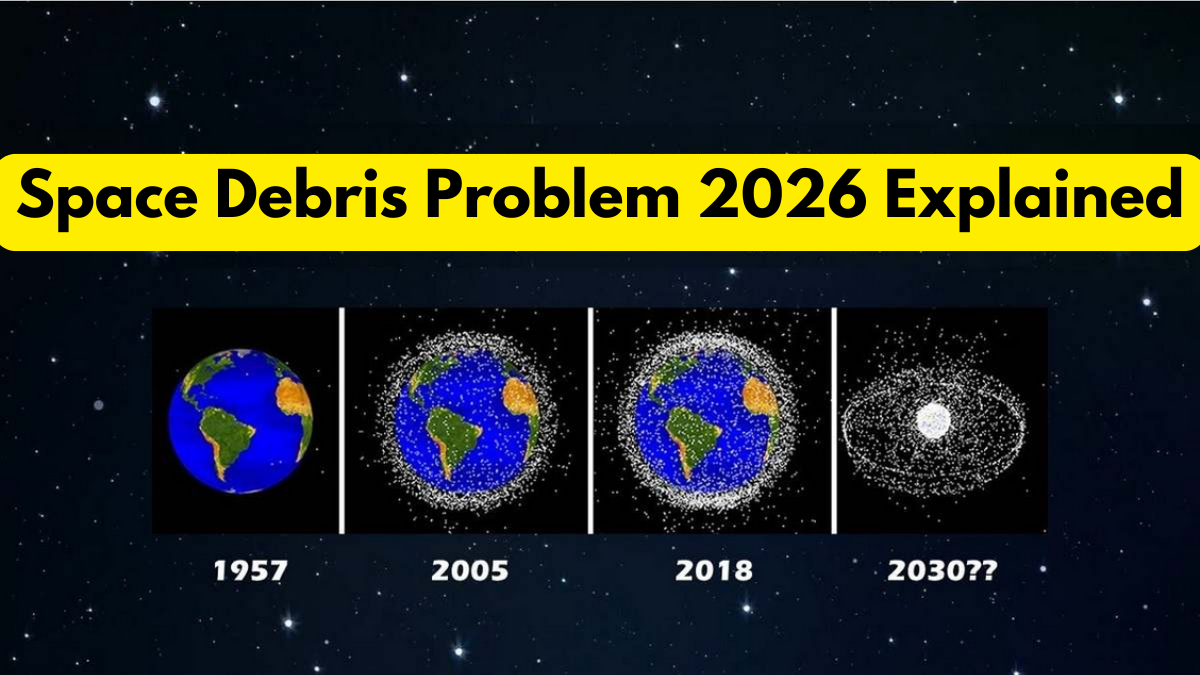
What is Space Debris
Space debris refers to non-functional objects orbiting Earth, including broken satellites, discarded rocket parts, and fragments from collisions. These objects travel at extremely high speeds, making them dangerous.
Examples of satellite waste include:
- Defunct satellites
- Rocket stage remnants
- Fragments from explosions or collisions
- Small particles from wear and tear
The growing amount of satellite waste is a key contributor to the space debris problem 2026. Managing this debris is crucial for maintaining space safety and preventing further complications.
Causes of Space Debris Problem
The space debris problem 2026 is caused by several factors, most of which are linked to increased human activity in space.
Major causes include:
- Frequent satellite launches
- Lack of proper disposal systems
- Collisions between satellites
- Explosion of unused rocket stages
- Poor regulation and monitoring
As the number of satellites increases, so does the amount of satellite waste. Without proper management, the space debris problem 2026 can threaten global space safety and disrupt essential services.
Types of Space Debris
To better understand the space debris problem 2026, here’s a classification of different types of debris:
| Type of Debris | Description | Risk Level | Example |
|---|---|---|---|
| Large Debris | Defunct satellites, rocket parts | High | Old satellites |
| Medium Debris | Fragments from collisions | Medium-High | Broken panels |
| Small Debris | Tiny particles | Medium | Paint flakes |
| Micro Debris | Dust-sized particles | Low but dangerous | Metal dust |
This table shows how different forms of satellite waste contribute to the space debris problem 2026. Even small particles can pose serious risks due to their high speed, affecting overall space safety.
Risks of Space Debris
The space debris problem 2026 presents several risks that can impact both space missions and Earth-based systems.
Key risks include:
- Damage to active satellites
- Threat to astronauts and space stations
- Disruption of communication systems
- Increased chances of chain collisions (Kessler Syndrome)
- Economic losses due to damaged equipment
These risks highlight the importance of managing satellite waste effectively. Ensuring space safety requires immediate attention to the growing space debris problem 2026.
Impact on Future Space Missions
The increasing space debris problem 2026 is making space missions more complex and risky. Space agencies now need to account for debris while planning launches and operations.
Impacts include:
- Increased mission costs
- Need for advanced tracking systems
- Limited safe orbits
- Delays in satellite deployment
The accumulation of satellite waste can restrict future exploration and innovation. Maintaining space safety is essential to ensure that space remains accessible for future generations.
Solutions to Space Debris Problem
Addressing the space debris problem 2026 requires global cooperation and innovative solutions. Several strategies are being developed to tackle this issue.
Key solutions include:
- Designing satellites for controlled re-entry
- Developing debris removal technologies
- Improving tracking and monitoring systems
- Implementing stricter regulations
- Encouraging responsible space practices
These solutions aim to reduce satellite waste and improve overall space safety. Tackling the space debris problem 2026 requires collective efforts from governments, organizations, and private companies.
Role of Technology in Space Safety
Technology plays a crucial role in managing the space debris problem 2026. Advanced systems are being developed to track and reduce debris.
Technological advancements include:
- AI-based tracking systems
- Robotic debris removal missions
- Improved satellite design
- Collision avoidance systems
These innovations are essential for controlling satellite waste and ensuring long-term space safety. The future of space exploration depends on effectively addressing the space debris problem 2026.
Future of Space Debris Management
The future of managing the space debris problem 2026 depends on global collaboration and continuous innovation. As space activities increase, so does the need for sustainable practices.
Future trends include:
- International agreements on space debris
- Increased investment in cleanup technologies
- Better satellite lifecycle management
- Integration of sustainability in space missions
These developments will help reduce satellite waste and improve space safety. Addressing the space debris problem 2026 is crucial for the long-term sustainability of space exploration.
Conclusion
The space debris problem 2026 is one of the most pressing challenges in modern space exploration. With increasing satellite launches and growing satellite waste, the risks to space missions and global systems are significant.
By focusing on innovative solutions, global cooperation, and improved regulations, we can address this issue effectively. Ensuring space safety is not just about protecting satellites but also about securing the future of space exploration. The sooner we act on the space debris problem 2026, the better prepared we will be for the challenges ahead.
FAQs
What is space debris problem 2026?
The space debris problem 2026 refers to the increasing amount of satellite waste orbiting Earth, posing risks to space missions.
Why is satellite waste dangerous?
satellite waste travels at high speeds and can damage active satellites and spacecraft.
How can space safety be improved?
Improving space safety requires better tracking, debris removal, and stricter regulations.
Can space debris be removed?
Yes, new technologies are being developed to remove debris and reduce the space debris problem 2026.
Click here to learn more.