Digital commerce is transforming how brands reach consumers, shifting advertising from traditional media platforms to commerce-driven ecosystems. retail media networks have emerged as powerful advertising channels where retailers leverage their first-party shopper data and digital storefronts to deliver targeted brand promotions. As online shopping expands globally, brands increasingly invest in ecommerce advertising within retailer-owned platforms rather than external media. These data-rich environments enable highly relevant retail ads delivered at the point of purchase intent, reshaping the advertising landscape and creating new revenue streams for retailers.
Unlike traditional display or search advertising, retail media networks operate within retail websites, mobile apps, and physical store digital interfaces. Brands can place sponsored product listings, banners, and promotions directly in shopping journeys. This proximity to transaction data gives ecommerce advertising unmatched targeting accuracy and measurable outcomes. Retailers benefit by monetizing traffic and data, while brands gain visibility where purchase decisions occur. As a result, retail ads within retail media ecosystems are becoming central to modern marketing strategies.
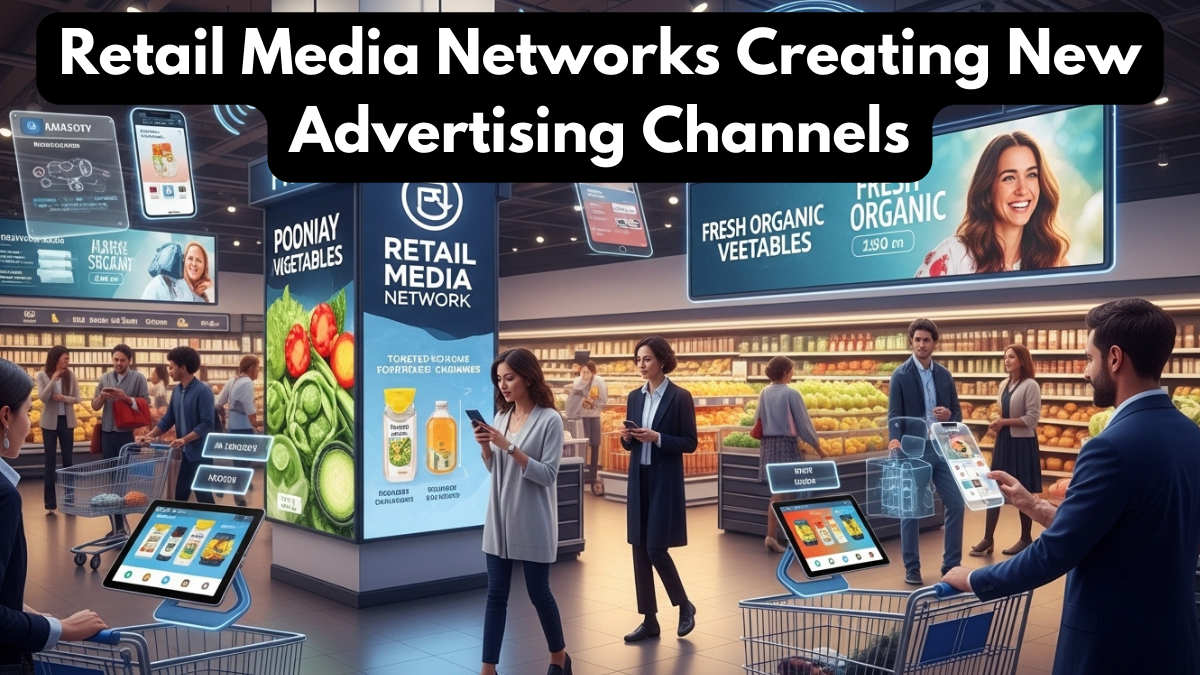
How Retail Media Networks Enable Ecommerce Advertising
The operational model of retail media networks centers on leveraging first-party shopper data to deliver targeted promotions. Retailers collect data from browsing behavior, purchase history, and loyalty programs, enabling precise audience segmentation. Brands use this data to run ecommerce advertising campaigns that reach shoppers with relevant products at the right time. Sponsored placements, search results promotions, and personalized retail ads integrate seamlessly into shopping experiences.
Advertising within retail media networks typically uses auction-based bidding systems similar to search advertising. Brands compete for placement in product listings or display slots based on relevance and bid value. Performance metrics such as click-through rates, conversions, and sales attribution provide measurable ROI for ecommerce advertising investments. These capabilities allow retail ads to be optimized continuously based on shopper behavior. By combining data and commerce intent, retail media platforms deliver highly effective advertising outcomes.
Key advertising formats include:
- Sponsored product listings
- Display banners on retail sites
- Search result promotions
- Off-site audience targeting
- In-store digital media placements
Benefits of Retail Ads for Brands and Retailers
One of the most significant advantages of retail media networks is high purchase intent targeting. Because shoppers are already browsing or searching products, ecommerce advertising within retail platforms reaches audiences close to decision points. This leads to higher conversion rates compared to traditional advertising channels. Brands gain measurable sales impact, while retailers increase monetization through retail ads placements.
Another major benefit is closed-loop attribution. Retail media networks track the entire journey from ad exposure to purchase, providing precise performance data. This transparency allows brands to evaluate ecommerce advertising effectiveness accurately. Retailers also strengthen supplier relationships by offering advertising opportunities tied to sales growth. Additionally, retail ads enhance product discovery for consumers by surfacing relevant items. These mutual benefits are driving rapid expansion of retail media ecosystems.
Additional advantages include:
- Precise shopper targeting
- Measurable sales attribution
- Enhanced brand visibility
- Retailer revenue diversification
- Improved product discovery
Technologies Powering Retail Media Networks
The success of retail media networks depends on advanced data and advertising technologies. Retail data platforms aggregate shopper behavior and transaction information to enable segmentation for ecommerce advertising campaigns. Programmatic advertising systems automate bidding and placement of retail ads across digital channels. Machine learning algorithms optimize targeting and personalization, improving campaign performance.
Integration with e-commerce platforms ensures that retail media networks deliver ads seamlessly within shopping journeys. Analytics tools measure impressions, clicks, and conversions, enabling optimization of ecommerce advertising strategies. Identity resolution technologies connect online and offline behavior, enhancing targeting accuracy. Together, these technologies create sophisticated ecosystems where retail ads operate as data-driven commerce media channels.
| Technology Component | Role in Retail Media | Impact on Ecommerce Advertising |
|---|---|---|
| Retail Data Platforms | Aggregate shopper data | Enable targeted retail ads |
| Programmatic Ad Systems | Automate placement | Optimize ecommerce advertising |
| Machine Learning Models | Personalize targeting | Improve performance |
| Commerce Platform Integration | Embed ads in journeys | Enhance retail media networks |
| Analytics & Attribution Tools | Measure outcomes | Refine retail ads strategy |
Applications of Retail Media Networks Across Channels
The applications of retail media networks extend across digital and physical retail environments. Online marketplaces display sponsored listings and banners within search results and product pages. Grocery and omnichannel retailers integrate ecommerce advertising across websites, apps, and loyalty programs. In-store digital screens and shelf displays also deliver retail ads at physical points of sale, merging digital and physical advertising channels.
Brands use retail media networks for product launches, seasonal campaigns, and competitive positioning. Sponsored placements ensure visibility in crowded marketplaces. Retailers expand ecommerce advertising beyond their own sites through off-site targeting, reaching shoppers across external media while using retail data. This omnichannel approach increases campaign reach and effectiveness. As retail media evolves, retail ads are becoming a central component of integrated marketing strategies.
Common use cases include:
- Sponsored marketplace listings
- Category page promotions
- In-store digital advertising
- Omnichannel shopper targeting
- Product launch campaigns
Challenges and Future Outlook for Retail Media Networks
Despite rapid growth, retail media networks face challenges related to standardization, measurement consistency, and data privacy. Different retailers use varying formats and metrics, complicating ecommerce advertising planning for brands. Ensuring consumer trust and compliance with data protection regulations is also critical for sustainable retail ads ecosystems. Additionally, balancing advertising with user experience requires careful design.
However, industry collaboration and technology innovation are addressing these issues. Standardized metrics and cross-platform tools are emerging to unify retail media networks performance reporting. Privacy-preserving data practices are enhancing consumer trust in ecommerce advertising. As retailers expand media capabilities, retail ads are expected to rival traditional digital advertising channels in scale and influence. The future of advertising is likely to integrate commerce and media seamlessly within retail ecosystems.
Conclusion
The rise of retail media networks is transforming advertising by embedding ecommerce advertising directly within shopping environments. By leveraging first-party data and high purchase intent contexts, retail ads deliver measurable impact for brands and new revenue streams for retailers. Advanced technologies and omnichannel integration are expanding retail media across digital and physical channels. As commerce and advertising converge, retail media networks are poised to become one of the most influential and effective marketing channels in the digital economy.
FAQs
What are retail media networks
retail media networks are advertising platforms operated by retailers that deliver targeted retail ads and ecommerce advertising within shopping environments.
How does ecommerce advertising work in retail media
Brands place retail ads within retail media networks using shopper data and sponsored placements to reach consumers during purchase decisions.
Why are retail ads effective
retail ads in retail media networks target high-intent shoppers, making ecommerce advertising more relevant and conversion-focused.
Who uses retail media networks
Brands and retailers use retail media networks to run ecommerce advertising campaigns and monetize digital commerce traffic.
What is the future of retail media networks
The future of retail media networks involves expanding ecommerce advertising across omnichannel environments with advanced retail ads targeting and measurement.
Click here to learn more.