Smart traffic signals are rapidly transforming how cities manage roads, intersections, and daily commuting challenges. As urban populations grow, traditional traffic lights struggle to adapt to real-time conditions, leading to unnecessary delays and rising congestion. By integrating data-driven technologies, smart traffic signals dynamically respond to traffic flow rather than relying on fixed timers. This shift is redefining urban mobility, making daily travel more predictable, efficient, and safer. Cities around the world are now adopting smart traffic signals as a foundational element of intelligent transportation systems.
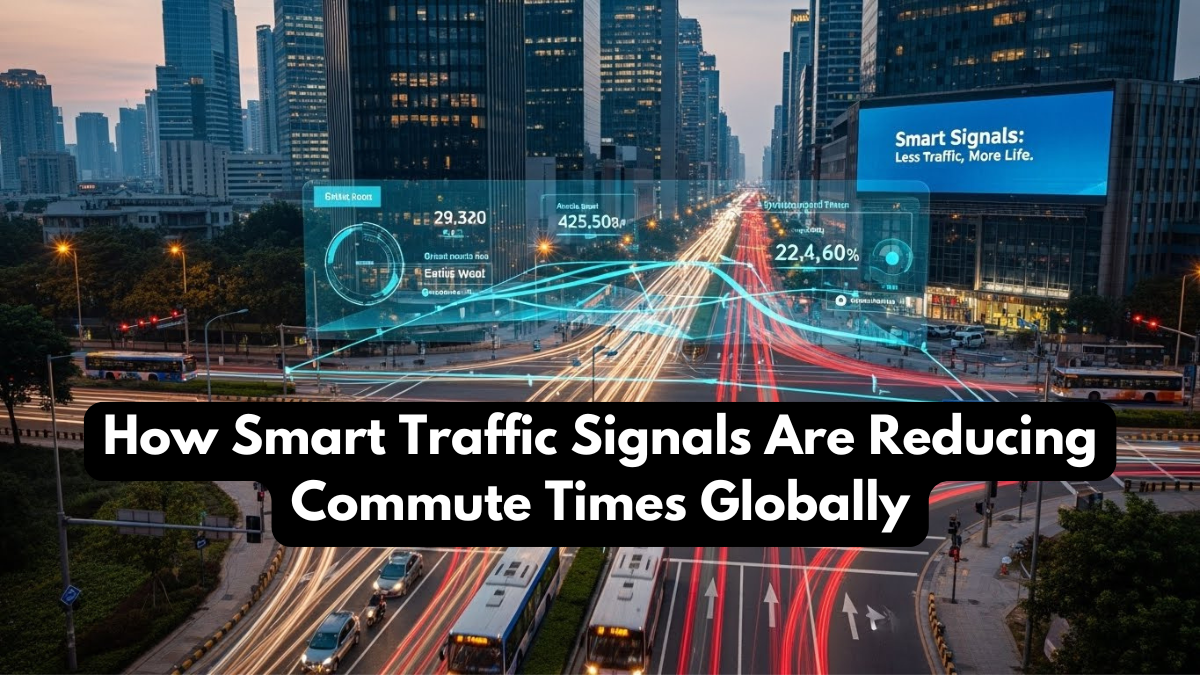
how smart traffic signals use AI traffic systems
At the core of smart traffic signals lies advanced AI traffic technology that analyzes live data from cameras, sensors, and connected vehicles. These systems continuously monitor vehicle density, pedestrian movement, and traffic speed to adjust signal timing instantly. Unlike conventional lights, smart traffic signals prioritize lanes with heavier flow, reducing idle time and easing congestion. By learning patterns over time, AI traffic algorithms improve decision-making accuracy, enhancing overall urban mobility. This intelligent responsiveness makes intersections more adaptive to real-world conditions rather than rigid schedules.
global impact of smart traffic signals on congestion reduction
Cities implementing smart traffic signals have reported noticeable improvements in traffic flow and commute times. Reduced waiting periods at intersections directly lower congestion, fuel consumption, and emissions. For commuters, smoother travel enhances daily experiences and reduces stress. From megacities to mid-sized urban areas, smart traffic signals are proving scalable and effective. Their ability to coordinate across multiple intersections strengthens urban mobility networks, ensuring traffic moves efficiently even during peak hours or unexpected disruptions.
key benefits delivered by smart traffic signals
The advantages of smart traffic signals extend beyond faster commutes. Below is a table outlining key benefits and their broader urban impact:
| Benefit Area | Role of Smart Traffic Signals | Impact on Cities |
|---|---|---|
| Traffic Flow Optimization | Real-time signal adjustments | Reduced congestion |
| Environmental Sustainability | Lower idle times | Decreased emissions |
| Pedestrian Safety | Adaptive crossing signals | Improved urban mobility |
| Emergency Response | Priority routing | Faster response times |
| Data-Driven Planning | Traffic pattern analysis | Smarter city design |
By combining AI traffic insights with adaptive infrastructure, smart traffic signals create measurable improvements in both mobility and livability.
role of smart traffic signals in sustainable urban mobility
Sustainability is a key driver behind the adoption of smart traffic signals. Efficient signal coordination reduces unnecessary stops, lowering fuel usage and carbon output. This supports cleaner air and healthier urban environments. Furthermore, smart traffic signals encourage balanced urban mobility by integrating pedestrian crossings, cycling lanes, and public transport prioritization. When AI traffic systems manage intersections holistically, cities experience smoother movement for all road users, not just private vehicles. This inclusive approach positions smart traffic signals as essential tools for sustainable city planning.
conclusion: why smart traffic signals matter for future cities
As cities face increasing transportation demands, smart traffic signals offer a practical and scalable solution. By leveraging AI traffic intelligence, they significantly reduce congestion while improving safety and efficiency. Enhanced urban mobility leads to economic benefits, environmental gains, and better quality of life for residents. With proven results across global cities, smart traffic signals are no longer experimental technologies but critical infrastructure for future-ready urban environments.
FAQs
What are smart traffic signals?
smart traffic signals are intelligent traffic control systems that use sensors and AI traffic analytics to adjust signal timing based on real-time conditions.
How do smart traffic signals reduce congestion?
By dynamically responding to traffic volume and flow, smart traffic signals minimize waiting times and ease congestion at busy intersections.
Are smart traffic signals suitable for all cities?
Yes, smart traffic signals can be scaled for both large metropolitan areas and smaller cities seeking improved urban mobility.
Do smart traffic signals improve pedestrian safety?
Yes, smart traffic signals adapt crossing times and prioritize pedestrian movement, supporting safer and more inclusive urban mobility.
What role does AI traffic play in smart traffic signals?
AI traffic systems analyze live data to optimize signal performance, enabling smart traffic signals to make intelligent, real-time decisions.
Click here to learn more.