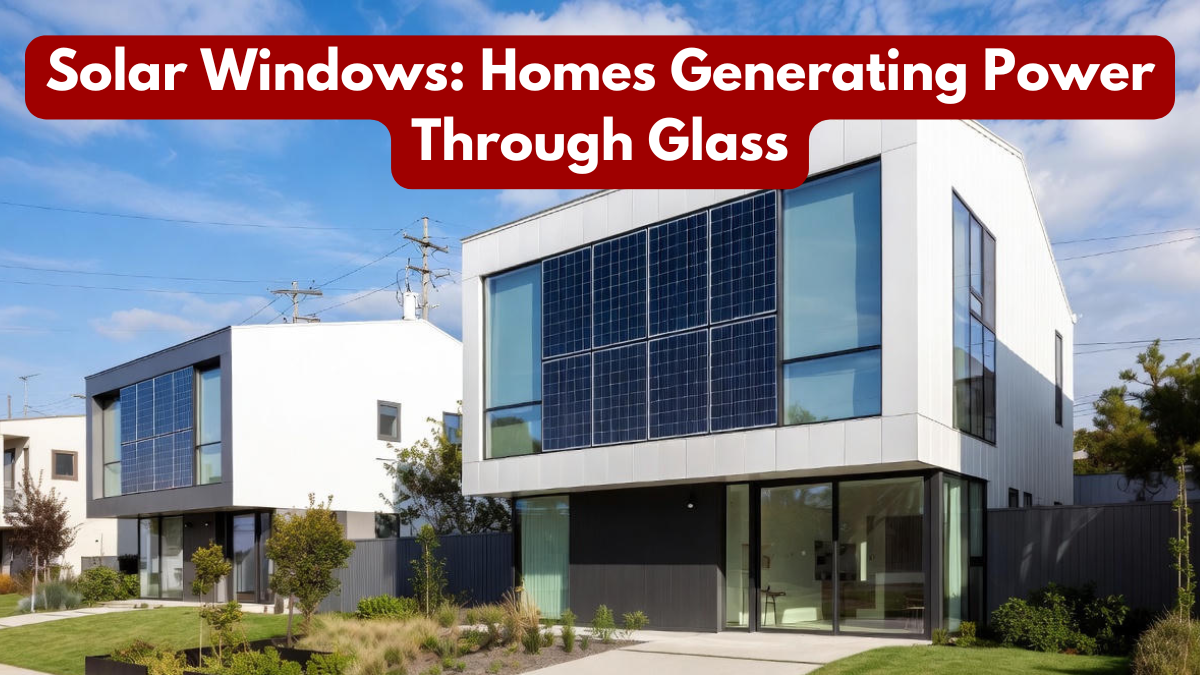
The rapid development of Solar Windows marks a major turning point in modern architecture and sustainable living. These innovative glass panels are capable of harvesting sunlight and converting it into usable electricity without compromising the appearance or structure of a home. As more people move toward eco-friendly lifestyles, the demand for energy-efficient homes continues to rise worldwide. Solar-powered glass is emerging as one of the most promising technologies in this movement, allowing homeowners to generate clean power simply through their windows.
Why Solar Windows Are Transforming Home Energy Systems
The main appeal of Solar Windows lies in their ability to blend practicality with sustainability. Traditional solar panels require large rooftop spaces and may not be suitable for all homes. However, solar glass can be installed directly on windows, balconies, skylights, and even building facades. This makes it ideal for urban environments where space is limited. As societies push toward energy-efficient homes, solar glass allows people to adopt renewable energy without sacrificing design or convenience.
Unlike conventional solar panels, solar glass uses transparent photovoltaic materials that capture solar energy while still allowing natural light to pass through. This creates a dual-purpose system: generating electricity while keeping indoor spaces bright and comfortable. These unique features make Solar Windows a key innovation supporting the global shift toward environmentally responsible architecture. As energy consumption continues to grow, integrating solar power into everyday building components is essential for achieving long-term sustainability goals.
How Solar Windows Work in Real-Life Applications
The science behind Solar Windows is based on transparent photovoltaic nanoparticles embedded directly into the window surface. These particles absorb specific wavelengths of sunlight and convert them into electrical energy. Thin, nearly invisible wiring channels the generated power to a home’s electrical system or battery storage. This seamless integration supports the vision of fully energy-efficient homes, where renewable energy flows effortlessly into daily life.
There are different types of solar glass technologies, including tinted photovoltaic layers, hybrid transparent cells, and luminescent solar concentrators. Each model offers varying levels of efficiency depending on light exposure and window orientation. As Solar Windows continue to improve, energy output becomes increasingly competitive with conventional rooftop solar systems. In future architectural designs, entire skyscrapers may function like massive solar generators, contributing significantly to clean-energy production and reducing reliance on fossil fuels.
Benefits of Solar Windows for Homeowners
Homeowners adopting Solar Windows gain numerous advantages beyond electricity savings. These systems reduce utility bills, increase property value, and minimize carbon emissions. Because they contribute to energy-efficient homes, solar glass also improves insulation and indoor comfort. Many solar window models block harmful UV rays, protecting interiors from fading and reducing heat absorption during summer months.
Another major benefit is the minimal maintenance required. Unlike rooftop panels, which can accumulate dust or debris, Solar Windows remain functional with standard cleaning. Their durability allows them to withstand weather changes, making them ideal for residential and commercial use. As more governments offer incentives for energy-efficient homes, installing solar glass becomes a practical and financially attractive option for sustainable living.
Comparison: Solar Windows vs. Traditional Solar Panels
| Feature | Solar Windows | Traditional Solar Panels | Advantage |
|---|---|---|---|
| Visibility | Nearly invisible | Highly visible | Improves aesthetics |
| Space Required | Works on any glass surface | Requires rooftops | Ideal for energy-efficient homes |
| Light Function | Allows natural light | Blocks part of roof | More convenience |
| Maintenance | Minimal | Moderate | Easier upkeep |
| Energy Output | Moderate but rising | High | Panels still lead, but windows improving |
Future Applications of Solar Window Technology
The future of Solar Windows extends far beyond residential use. Commercial skyscrapers, airports, greenhouses, and shopping malls are potential adopters of solar glass technology. As urban regions seek greener infrastructure, entire buildings may soon be designed as vertical solar power plants. This aligns perfectly with the global trend toward energy-efficient homes and sustainable architecture.
In addition, researchers are exploring ways to integrate solar glass with smart home systems. Energy data could be displayed on smartphones, allowing homeowners to track consumption in real time. Advanced versions of Solar Windows may automatically adjust tint levels based on sunlight exposure to regulate indoor temperatures efficiently. This further enhances the comfort and functionality of energy-efficient homes, reducing heating and cooling demands throughout the year.
As manufacturing costs continue to drop, solar glass will become more accessible to ordinary homeowners. With growing environmental awareness, the next decade is expected to witness rapid adoption of Solar Windows across both new construction and renovation projects. Their ability to combine clean energy generation with architectural beauty positions them as a central component of future housing developments.
Conclusion
The evolution of Solar Windows represents a major milestone in renewable energy innovation. Their ability to generate electricity while maintaining full transparency makes them ideal for modern buildings seeking stylish, eco-friendly designs. As demand for energy-efficient homes continues to surge, solar glass provides a powerful solution that aligns sustainability with convenience. From residential projects to large commercial structures, the adoption of solar window technology will significantly reduce environmental impact and redefine how society thinks about renewable energy. These advancements highlight a future where clean energy is seamlessly woven into everyday architecture.
FAQs
How do Solar Windows generate electricity?
Solar Windows use transparent photovoltaic materials that absorb sunlight and convert it into electrical energy.
Are Solar Windows suitable for all types of homes?
Yes, they can be installed in apartments, houses, and commercial buildings aiming to become energy-efficient homes.
Do solar windows require a lot of maintenance?
No, Solar Windows typically require minimal maintenance and function with regular cleaning.
Are Solar Windows expensive to install?
Costs are decreasing as technology advances, making them more accessible for homeowners seeking energy-efficient homes.
Click here to learn more.