Across the world, architects are rediscovering the power of desert architecture, a style rooted in ancient wisdom and shaped by some of the planet’s harshest climates. As temperatures rise globally, more countries are turning to the techniques once used in hot, arid deserts to design innovative and resilient buildings. Modern designers now recognize that traditional desert structures hold essential lessons for sustainable construction, offering low-energy cooling, reduced environmental impact, and long-lasting comfort. This growing appreciation marks an exciting shift in architecture, where old-world brilliance meets modern engineering to create climate-smart buildings.
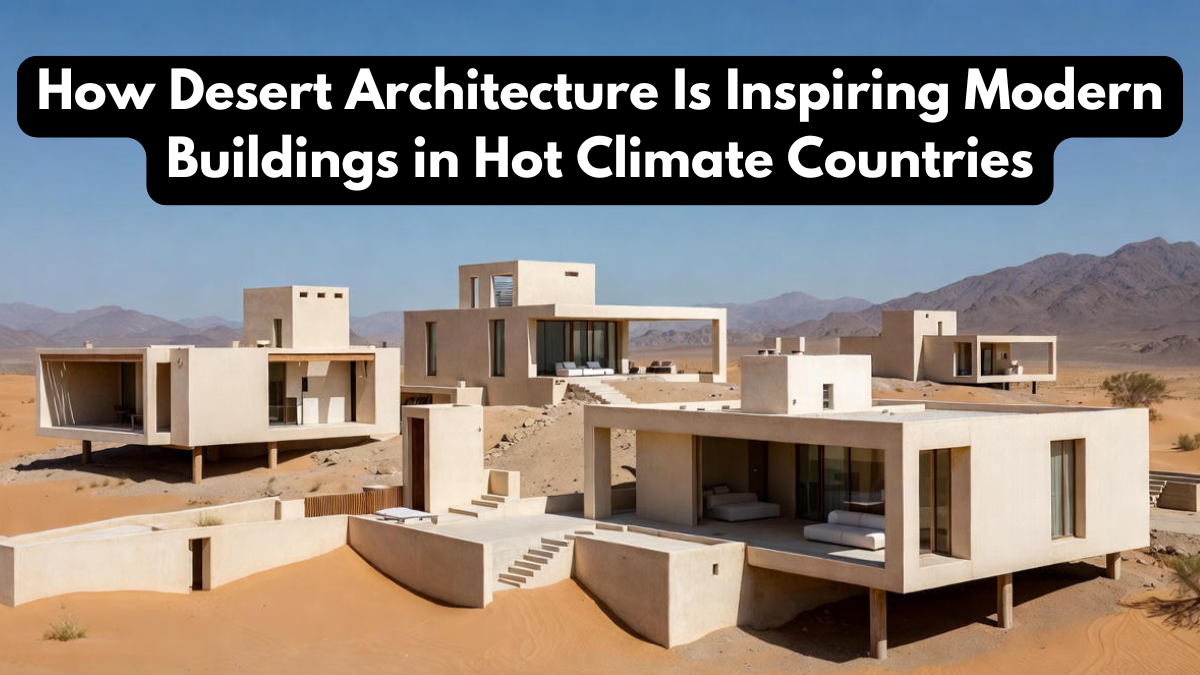
How Desert Architecture Developed Over Centuries
For thousands of years, desert communities relied on carefully crafted building methods to survive extreme heat, sandstorms, and limited water. Thick walls, shaded courtyards, and natural ventilation served as essential components of desert architecture, helping structures stay cool even under scorching sun. These time-tested designs were built using locally available materials like clay, stone, and adobe, reducing transportation needs and supporting sustainable construction long before modern sustainability standards existed.
Today, as cities face increasing heat waves, these principles are being revived and adapted for contemporary needs. Architects now study how ancient builders created comfortable environments without relying on electricity, making desert-inspired designs more relevant than ever.
Why Desert Architecture Works in Hot Climate Countries
One of the biggest reasons desert architecture is so effective is its natural ability to regulate temperature. By maximizing shade, minimizing heat absorption, and promoting airflow, these designs create interior spaces that remain significantly cooler than the outside environment.
This energy efficiency directly supports sustainable construction goals, reducing dependency on air conditioners and lowering carbon emissions. Features such as narrow streets, wind towers, high thermal mass walls, and strategic building orientation all play important roles in enhancing comfort. As environmental challenges grow, architects are increasingly adopting these desert-inspired features to build smarter, more climate-friendly structures.
Key Elements of Desert Architecture Influencing Modern Design
Many traditional techniques from desert architecture are now becoming standard in eco-friendly projects around the world. The table below highlights some essential elements and how they contribute to sustainable construction:
| Architectural Element | Role in Desert Architecture | Sustainable Construction Benefit |
|---|---|---|
| Thick Adobe Walls | Absorb heat during the day and release it at night | Natural temperature regulation, less energy use |
| Courtyards | Provide shaded outdoor areas with airflow | Reduces cooling needs, increases livability |
| Wind Towers | Capture and redirect breezes indoors | Enhances ventilation without electricity |
| Earth Materials | Locally sourced, low carbon footprint | Reduces environmental impact |
| Narrow Pathways | Create shaded routes and reduced heat exposure | Keeps public spaces cooler in urban planning |
These components demonstrate how the wisdom behind desert architecture aligns perfectly with the principles of sustainable construction, making the approach both environmentally responsible and surprisingly modern.
Modern Applications of Desert-Inspired Designs
In many hot climate countries, new buildings now incorporate elements inspired by desert architecture to balance functionality, beauty, and sustainability. Government buildings, residential homes, luxury resorts, and educational campuses all benefit from integrating passive cooling techniques.
This approach helps cities reduce energy costs, especially in regions where air-conditioning demand is extremely high. By blending traditional desert elements with contemporary materials and technologies, architects can create innovative spaces that meet the needs of growing populations while supporting sustainable construction. As more people recognize the value of these designs, desert-inspired architecture is quickly becoming a global model for climate resilience.
Conclusion
The growing interest in desert architecture reflects a worldwide desire to build smarter, greener, and more climate-resilient spaces. By embracing techniques developed over centuries, modern designers are transforming cities into comfortable, energy-efficient environments. These ancient principles provide clear guidance for achieving successful sustainable construction, ensuring buildings remain cool, functional, and environmentally responsible. As the planet continues to warm, desert-inspired innovation will play a crucial role in shaping the future of architecture.
FAQs
Why is desert architecture effective in hot climates?
Desert structures use natural cooling techniques such as thick walls, shaded courtyards, and airflow systems that reduce heat and support sustainable construction.
How does sustainable construction relate to desert building methods?
Sustainable construction focuses on energy efficiency and eco-friendly materials, both of which are foundational elements of traditional desert architecture.
What modern buildings use desert-inspired designs?
Many public facilities, homes, resorts, and educational buildings use features from desert architecture to improve comfort and reduce cooling costs.
Are wind towers still used today?
Yes, wind towers inspired by ancient desert architecture are being reintroduced to support natural ventilation and reduce reliance on mechanical cooling.
Can desert architecture help reduce energy consumption?
Absolutely, passive cooling strategies from desert architecture can significantly lower energy use, making them ideal for sustainable construction practices.
Click here to learn more.