The vision of carbon neutral cities is rapidly becoming a global priority as nations confront climate change and rising urban pollution. These cities aim to eliminate or offset carbon emissions entirely, creating healthier, cleaner, and more resilient environments for their residents. At the heart of this transformation is smart city innovation, which uses advanced technologies to optimize energy consumption, reduce waste, and improve urban efficiency. With governments, scientists, and tech companies working together, carbon neutral cities are emerging as realistic models for sustainable living in the modern world.
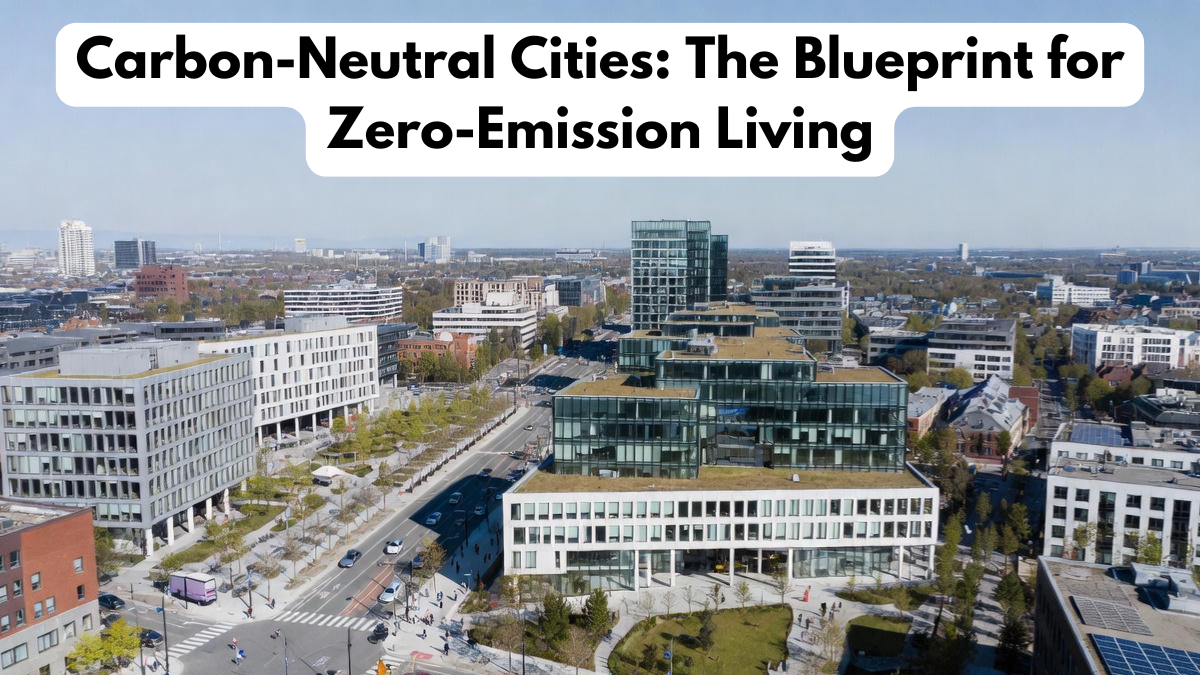
How Carbon Neutral Cities Are Built
Developing carbon neutral cities requires a complete rethinking of how urban systems operate. Instead of relying on fossil fuels, these cities adopt renewable energy sources such as wind, solar, and geothermal power. Through smart city innovation, energy usage is monitored in real time, allowing cities to manage consumption more efficiently.
In addition to renewable energy, carbon neutral cities invest heavily in green buildings, sustainable transportation, and eco-friendly waste management systems. Smart grids distribute electricity intelligently, ensuring minimal wastage. Advanced recycling programs convert waste into usable resources. By integrating smart city innovation, urban areas become more adaptive, efficient, and environmentally conscious.
Technology Behind Carbon-Neutral Urban Development
The development of carbon neutral cities depends on advanced infrastructure and cutting-edge digital solutions. These systems ensure that energy efficiency, resource management, and environmental monitoring are fully optimized. The integration of smart city innovation enables automated decision-making and seamless data sharing across urban sectors.
Below is a table outlining key technologies that power carbon neutral cities:
| Technology | Function | Benefit |
|---|---|---|
| Smart Grids | Manage and distribute renewable energy | Reduce energy waste and improve efficiency |
| IoT Sensors | Monitor air quality, traffic, and energy use | Support real-time smart city innovation |
| Green Building Materials | Reduce energy consumption | Improve sustainability of construction |
| Autonomous Electric Transport | Reduce urban emissions | Enhance mobility without pollution |
| Carbon Capture Systems | Remove CO₂ from the atmosphere | Accelerate progress toward zero emissions |
These technologies allow carbon neutral cities to operate with minimal environmental impact. Supported by smart city innovation, urban planners can analyze data, predict changes, and optimize systems for maximum sustainability.
Benefits of Carbon Neutral Cities
The rise of carbon neutral cities brings wide-ranging benefits for both the environment and society. These cities not only cut emissions but also improve public health, enhance quality of life, and boost economic opportunities. With smart city innovation, everything from transportation to energy becomes more efficient and eco-friendly.
Key benefits include:
- Cleaner air and reduced pollution levels
- Healthier living environments
- Lower energy costs for residents and businesses
- Increased adoption of renewable energy
- Reduced dependency on fossil fuels
- Stronger climate resilience
- Smarter infrastructure through smart city innovation
By reducing carbon footprints at every level, cities become safer and more sustainable places to live. Additionally, the innovative technologies used in carbon neutral cities create new job opportunities in sustainability, engineering, and green-tech sectors.
Future of Carbon-Neutral Urban Living
The future of carbon neutral cities looks incredibly promising. As smart city innovation continues to evolve, cities will become even more intelligent and eco-friendly. Upcoming advancements include AI-powered urban planning, fully autonomous electric transit networks, smart water recycling systems, and rooftop solar farms integrated across entire districts.
Governments around the world are investing heavily in carbon-neutral infrastructure, and many plan to transition to 100% renewable energy within the next few decades. Soon, carbon neutral cities may become the global standard rather than an ambitious goal. As technology continues to improve, achieving zero-emission living will become easier, more affordable, and more widespread.
Conclusion
The rise of carbon neutral cities marks a turning point in global sustainability efforts. Powered by modern smart city innovation, these urban environments are designed to eliminate emissions, enhance efficiency, and promote healthier futures. By embracing renewable energy, smart infrastructure, and eco-friendly policies, carbon neutral cities serve as the blueprint for sustainable living worldwide. As more cities adopt these strategies, the world moves closer to a cleaner, smarter, and more resilient future.
FAQs
What are carbon neutral cities?
Carbon neutral cities are urban areas that eliminate or offset all carbon emissions using renewable energy and smart city innovation.
How do carbon neutral cities reduce emissions?
They rely on renewable power, electric transportation, efficient buildings, and eco-friendly waste systems supported by smart city innovation.
Are carbon neutral cities expensive to build?
Initial investment can be high, but long-term savings and sustainability benefits make carbon neutral cities cost-effective.
What technologies support carbon neutral cities?
Smart grids, IoT sensors, carbon capture systems, and renewable infrastructure all contribute to smart city innovation.
Will carbon neutral cities become common in the future?
Yes, global sustainability efforts and modern technology will make carbon neutral cities increasingly common worldwide.
Click here to learn more